
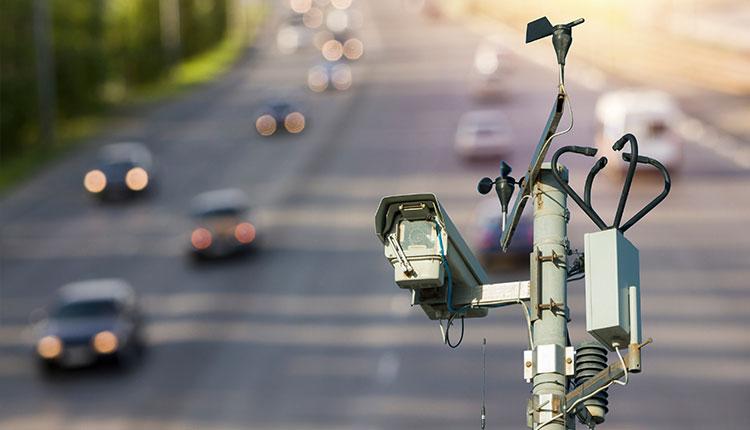
Expanding Use of License Plate Recognition Cameras in Neighborhood Safety
Growing Integration of License Plate Recognition Technology in Communities
Across the country, an increasing number of neighborhoods are embracing license plate recognition (LPR) cameras as a vital component in their crime reduction strategies. These advanced systems capture and analyze vehicle license plates in real time, enabling law enforcement to swiftly identify stolen cars, monitor suspicious behavior, and support ongoing investigations. Originally concentrated in metropolitan areas, LPR technology is now gaining traction in suburban and residential zones eager to bolster security for their residents.
Communities utilizing LPR technology have reported several notable advantages, including:
- Faster recovery of stolen vehicles
- Streamlined investigative processes
- Decreased incidence of vehicle-related crimes
- Real-time alerts to officers about potential threats
| Community | Number of Cameras | Crime Reduction (%) | Average Vehicle Recovery Time |
|---|---|---|---|
| Lakewood | 28 | 19% | 1.8 days |
| Maple Grove | 35 | 22% | 1.3 days |
| Sunnyvale | 32 | 21% | 1.1 days |
Enhancing Crime Deterrence with Automated License Plate Recognition
Automated License Plate Recognition (ALPR) systems have revolutionized how law enforcement agencies approach crime prevention. By continuously scanning license plates and cross-referencing them against databases of stolen vehicles or persons of interest, ALPR technology provides immediate intelligence that accelerates police response times. Operating 24/7, these systems deliver actionable data that helps officers intervene more effectively and allocate resources where they are most needed.
Some of the primary benefits of ALPR include:
- Immediate Vehicle Identification: Rapidly matches plates with records of stolen or wanted vehicles.
- Robust Evidence Gathering: Securely archives data to support legal proceedings.
- Trend Detection: Analyzes patterns to inform strategic deployment of law enforcement.
- Crime Prevention: Acts as a deterrent by increasing the likelihood of detection in monitored areas.
| Crime Category | ALPR Contribution | Outcome |
|---|---|---|
| Vehicle Theft | Immediate recognition of stolen cars | Higher recovery success rates |
| Hit-and-Run Incidents | Swift identification of involved vehicles | Quicker suspect apprehension |
| Restricted Area Breaches | Controlled access monitoring | Fewer unauthorized entries |
Addressing Privacy and Legal Challenges in Surveillance Deployment
The expansion of license plate scanning technology has sparked significant debate regarding privacy rights and legal boundaries. Critics highlight the risk of continuous surveillance leading to the unwarranted tracking of innocent individuals, potentially compiling detailed records of their movements without explicit consent. Civil liberties organizations caution that improper handling or unauthorized access to this data could result in profiling or discriminatory practices. Furthermore, many jurisdictions lack uniform regulations on how long such data can be retained, raising concerns about indefinite storage of sensitive information.
Legal responses vary widely, with some states enacting specific measures to regulate the use of LPR data. The table below outlines common legal considerations and typical regulatory approaches:
| Issue | Common Legal Regulation | Impact on Surveillance Practices |
|---|---|---|
| Data Retention Period | Limits ranging from 30 to 90 days | Ensures timely deletion of stored data |
| Access Controls | Restricted to law enforcement or court authorization | Prevents unauthorized data access |
| Transparency Obligations | Mandatory public disclosure and reporting | Promotes community trust and oversight |
| Usage Restrictions | Permitted only for specific criminal investigations | Limits broad or indiscriminate monitoring |
Guidelines for Ethical and Effective Use of License Plate Scanning
To maximize the benefits of license plate scanning while respecting privacy, communities and law enforcement agencies must adopt thoughtful policies. Data collection should be confined strictly to relevant information, avoiding unnecessary capture of unrelated personal details. Transparency is essential; informing the public about data usage, storage, and protection policies fosters trust and accountability. Additionally, implementing stringent access controls and conducting regular audits can help prevent misuse or unauthorized dissemination of sensitive data.
Establishing clear data retention schedules prevents indefinite storage, mitigating privacy risks. Collaborating with independent oversight organizations can further ensure compliance with ethical standards. The following table summarizes best practices for agencies deploying LPR systems:
| Best Practice | Objective |
|---|---|
| Data Minimization | Collect only essential information related to security objectives. |
| Transparency | Keep the community informed about data policies and system use. |
| Access Restrictions | Limit data access to authorized personnel only. |
| Defined Retention Periods | Set clear timelines for data deletion to protect privacy. |
| Independent Oversight | Conduct regular reviews to ensure ethical compliance. |
Final Thoughts on Balancing Safety and Privacy with License Plate Scanning
As license plate recognition technology becomes more widespread in residential areas, community leaders and law enforcement must carefully balance its crime-fighting advantages with the imperative to protect individual privacy. While these systems have proven effective in reducing vehicle-related crimes and aiding investigations, vigilant oversight is crucial to prevent potential abuses. Ongoing conversations among residents, policymakers, and privacy advocates will be key to shaping responsible use of this technology. Continued monitoring and reporting on its impact will help ensure that public safety enhancements do not come at the expense of civil liberties.