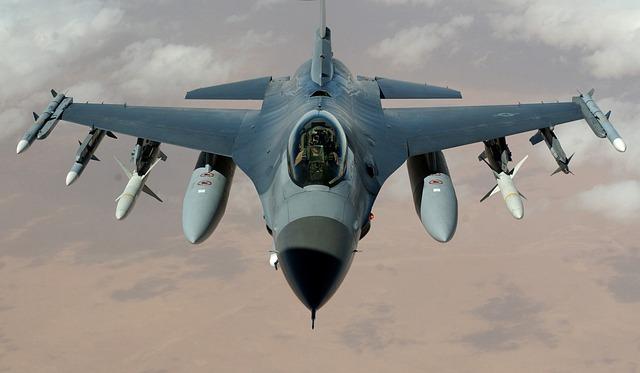
Texas Military Training Jet Incident Highlights Landing Gear Failure
In Texas, a military training jet experienced a critical landing gear malfunction during a standard training sortie, forcing both pilots to eject safely. The malfunction occurred moments before the aircraft was due to land, triggering emergency protocols that ensured the crew’s survival without serious injury. This event has reignited discussions about the dependability and upkeep of military training aircraft currently in operation.
Military authorities have initiated a comprehensive inquiry into the malfunction, underscoring the paramount importance of safety during training missions. The investigation is focusing on several key areas:
- Aircraft maintenance history: Reviewing recent inspections and repairs related to the landing gear system.
- Emergency response effectiveness: Assessing pilot reaction times and adherence to emergency procedures during equipment failures.
- Training adequacy: Identifying potential shortcomings in current pilot training programs to enhance preparedness for mechanical failures.
| Component | Current Status | Investigation Priority |
|---|---|---|
| Landing Gear Assembly | Under Detailed Review | Critical |
| Pilot Safety Systems | Verified Operational | High |
| Maintenance Documentation | Being Analyzed | Moderate |
Investigating Hydraulic Landing Gear Failure and Pilot Response
The root cause of the landing gear malfunction was identified as a hydraulic system failure, which obstructed the gear from fully extending. As the aircraft approached the runway, cockpit indicators displayed erratic readings, signaling a severe mechanical issue. The pilots promptly utilized onboard diagnostic tools and backup systems to evaluate the problem. Despite repeated attempts, the landing gear remained non-functional, necessitating immediate emergency action.
Confronted with the danger of an unsafe landing, the pilots executed their ejection procedures flawlessly. Their swift decision-making allowed them to safely exit the aircraft at a sufficient altitude, significantly reducing the risk of injury. Post-event analysis confirmed that the pilots adhered strictly to established emergency protocols, which included:
- Clear communication: Maintaining constant contact with ground control to relay status updates.
- System troubleshooting: Attempting alternative methods to deploy the landing gear.
- Critical decision-making: Opting for ejection at the optimal moment to maximize safety.
| Issue | Effect on Aircraft | Pilot Response |
|---|---|---|
| Hydraulic Leak | Blocked gear deployment | Activated backup diagnostics |
| Warning Indicators | Alerted system malfunction | Confirmed emergency status |
| Altitude at Incident | Allowed safe ejection window | Executed ejection sequence |
Critical Role of Ejection Protocols in Ensuring Pilot Survival
When vital aircraft components such as the landing gear fail, pilots must make instantaneous decisions to safeguard their lives. In this Texas incident, the pilots’ flawless execution of emergency ejection procedures highlights the value of rigorous training and reliable safety systems. The rapid activation of ejection seats enabled the pilots to exit the aircraft safely, despite the high velocity and altitude involved. This successful outcome underscores the effectiveness of modern safety technologies integrated into military training jets.
Key safety features that contributed to pilot protection include:
- Automated ejection seat mechanisms that ensure quick separation from the aircraft.
- Advanced protective gear designed to reduce injury during high-speed ejections.
- Regular emergency drills that simulate real-life failure scenarios, enhancing pilot readiness.
| Safety Component | Purpose | Advantage |
|---|---|---|
| Ejection Seat System | Rapid pilot extraction | Minimizes injury risk during crash events |
| Protective Flight Gear | Impact injury reduction | Enhances pilot survival chances |
| Emergency Response Training | Preparedness for system failures | Improves reaction speed and safety outcomes |
Strengthening Maintenance and Training to Prevent Future Failures
To reduce the likelihood of landing gear failures, it is crucial to adopt stringent maintenance routines incorporating cutting-edge diagnostic tools. Technologies such as infrared thermography and vibration analysis can detect early signs of wear or malfunction, enabling proactive repairs before critical failures occur. Establishing robust communication channels between maintenance teams and flight crews ensures timely reporting and resolution of any irregularities.
Equally important is the enhancement of pilot training programs, emphasizing emergency response and system failure simulations. Regular refresher courses featuring realistic ejection drills and landing gear malfunction scenarios under diverse conditions can significantly improve pilot preparedness. Investing in advanced flight simulators with customizable failure modules allows pilots to experience and manage rare but dangerous system breakdowns effectively. Recommended strategies include:
- Interdisciplinary workshops fostering collaboration between engineers and pilots.
- Standardized pre-flight checklists focusing on landing gear system integrity.
- Continuous updates to training curricula reflecting the latest technological advancements.
| Maintenance Approach | Advantages |
|---|---|
| Infrared Thermography | Detects structural anomalies early |
| Vibration Monitoring | Predicts component fatigue and failure |
| Simulated Emergency Drills | Enhances pilot reaction and safety |
Conclusion: Aviation Safety and Ongoing Investigation
This recent incident serves as a powerful reminder of the inherent dangers present in military aviation training. Although both pilots emerged unharmed thanks to their swift ejection, the investigation into the landing gear malfunction continues. Military authorities reaffirm their dedication to safety and are committed to revising protocols to prevent similar events. Updates will be shared as new findings become available.