


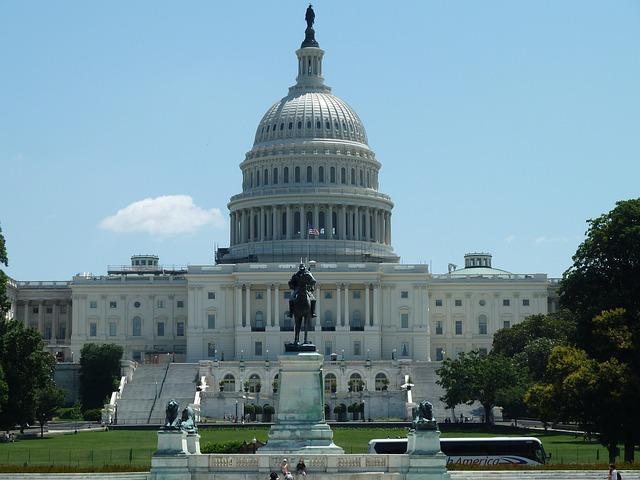
During the unprecedented evacuation of the U.S. Capitol, Representative Joaquin Castro described the experience as the “most intense, insane, bizarre thing” he has ever witnessed. The chaotic scenes unfolded amid heightened security concerns, as lawmakers and staff were hurriedly escorted from the chambers. This article delves into Castro’s firsthand account and the broader implications of the dramatic events that shook the nation’s seat of government.
Rep Joaquin Castro Describes Capitol Evacuation as Most Intense and Bizarre Event
Representative Joaquin Castro recounted the chaotic moments when members of Congress were forced to evacuate the Capitol. He described the experience as unlike anything he had ever witnessed in his political career, emphasizing the surreal and unpredictable nature of the crisis. Castro highlighted the overwhelming presence of law enforcement, the rapid lockdown procedures, and the palpable fear that permeated the halls of the historic building. Amidst the confusion, he noted the resilience and cooperation shown by lawmakers and staff, who navigated the turmoil with a shared determination to maintain safety.
Key elements of the evacuation included:
- Heightened security protocols: Immediate lockdowns and restricted movements within the Capitol.
- Rapid communication: Constant updates between security officials and Congress members.
- Emotional toll: Stress and disbelief as the situation unfolded in real time.
| Aspect | Description |
|---|---|
| Intensity | High alert throughout entire evacuation |
| Duration | Several hours of lockdown and movement restrictions |
| Security Presence | Increased federal and Capitol Police deployment |
| Emotional Response | Shock, confusion, and resolve |
Detailed Account of Security Challenges and Lawmakers Experiences During Evacuation
During the evacuation of the Capitol, security personnel and lawmakers faced unprecedented challenges that tested the limits of preparedness and response coordination. Rep. Joaquin Castro described the atmosphere as a chaotic blend of urgency and confusion, with security forces issuing rapid commands amid the roaring crowd outside. The situation quickly escalated as the threat became more tangible, forcing the evacuation to become an intense, high-stakes ordeal. Communication lines were strained, and there was a palpable tension between protecting individuals and preventing further escalation.
Key experiences highlighted by lawmakers included:
- Moments of near panic as officials struggled to maintain order inside the chambers.
- Rapid decision-making under pressure, with limited information about the external threat.
- Feelings of vulnerability despite the presence of Capitol Police and National Guard personnel.
- The surreal juxtaposition of a policymaking environment turned battlefield.
| Aspect | Impact | Lawmakers’ Response |
|---|---|---|
| Security Coordination | Complicated by multiple agencies | Urgent collaboration attempts |
| Communication | Disrupted and fragmented | Use of personal devices for updates |
| Emotional State | Heightened stress and fear | Seeking reassurance from peers |
| Evacuation Route | Obstructed by crowds | Alternative pathways sought quickly |
Analysis of Emergency Response Protocols and Areas for Improvement at the Capitol
The chaotic evacuation of the Capitol, described by Rep. Joaquin Castro as “most intense, insane, bizarre,” exposed critical vulnerabilities in the building’s emergency response protocols. Analysis reveals that communication breakdowns between law enforcement agencies and Capitol staff significantly delayed coordinated action during the crisis. Additionally, the absence of a clear chain of command created confusion, with security personnel relying heavily on on-the-spot decisions rather than following established procedures. These gaps intensified the sense of disorder, undermining the safety measures meant to protect lawmakers and staff alike.
Areas identified for urgent improvement include:
- Unified Communication Systems: Implement technology ensuring seamless, real-time information flow among all response units.
- Regular Emergency Drills: Conduct mandatory, scenario-based training exercises to enhance readiness and situational awareness.
- Clear Evacuation Routes: Establish and mark multiple, efficient pathways to reduce bottlenecks during mass movement.
- Incident Command Structure: Define and enforce a centralized leadership model to coordinate emergency responses promptly.
| Issue | Impact | Recommended Action |
|---|---|---|
| Communication Delays | Confusion among responders | Unified radios and digital alerts |
| Unclear Command | Fragmented decision-making | Defined leadership protocol |
| Evacuation Bottlenecks | Slowed exodus, potential danger | Multiple clear exit points |
| Lack of Drills | Poor preparedness | Frequent emergency exercises |
Recommendations for Enhancing Safety Measures and Communication in Future Crises
In light of the harrowing experiences during the Capitol evacuation, it is crucial to implement robust safety protocols that prioritize clarity and rapid response. Agencies must establish centralized communication hubs equipped with real-time monitoring tools to ensure that all personnel receive consistent, up-to-date instructions. Equally important is the integration of cross-agency collaboration platforms, which can streamline decision-making processes and reduce delays caused by fragmented information flow. These measures could significantly mitigate confusion during emergencies and empower responders with the critical data needed to act decisively.
Moving forward, adopting advanced technologies and regular preparedness drills can enhance situational awareness across all levels of government. Recommendations include:
- Deployment of encrypted, multi-channel communication systems to maintain connectivity amidst disruptions.
- Standardization of evacuation protocols with clear visual and audio cues tailored to diverse audiences.
- Comprehensive training programs emphasizing interdepartmental coordination and adaptive crisis management.
| Area | Current Challenge | Proposed Enhancement |
|---|---|---|
| Communication | Fragmented and delayed messaging | Centralized, encrypted multi-channel systems |
| Coordination | Insufficient inter-agency collaboration | Unified crisis platforms and joint drills |
| Training | Lack of adaptive scenario-based exercises | Regular simulation-based preparedness programs |
Key Takeaways
The chaotic evacuation of the Capitol, described by Rep. Joaquin Castro as the “most intense, insane, bizarre thing,” underscores the gravity of the events that unfolded within the nation’s seat of government. As investigations continue, the incident serves as a stark reminder of the vulnerabilities institutions face and the imperative for heightened security measures moving forward. The full impact of that day remains to be seen, but the testimony of lawmakers like Castro provides crucial insight into the unprecedented nature of the crisis.


