Historic First: Bat Falcon Spotted in Texas, Expanding US Avian Records
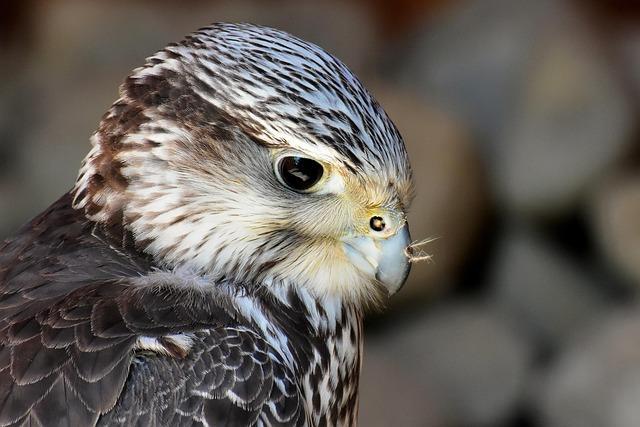
In a groundbreaking event for American birding, a Bat Falcon (Falco rufigularis) was recently photographed in Texas, marking the species’ debut documented appearance within the United States. This vibrant raptor, celebrated for its rapid hunting skills and distinctive coloration, was observed and captured by local wildlife photographers, igniting enthusiasm among ornithologists and conservation advocates. This extraordinary sighting, reported by WOAI in June 2024, not only broadens the known distribution of the Bat Falcon but also highlights ongoing shifts in bird migration and habitat use driven by environmental factors.
Experts are now closely examining this occurrence to understand the ecological implications and potential new migratory routes. Below is a summary of the key observation details:
| Observation Detail | Information |
|---|---|
| Location | Southern Texas |
| Date | Early June 2024 |
| Observers | Local birdwatchers and wildlife photographers |
| Significance | First confirmed US sighting |
- Conservationists are urged to keep monitoring the region for additional sightings.
- Scientists suggest that ongoing observations may reveal new migratory behaviors linked to climate change.
- The local community has expressed excitement, emphasizing the importance of protecting habitats for rare species.
Ecology and Behavior of the Bat Falcon: Insights into a Rare Visitor
The Bat Falcon is a medium-sized raptor native to Central and South America, typically inhabiting tropical forests, woodlands, and savannahs. Its sudden appearance in Texas represents a notable range extension, offering a unique chance to study its ecological flexibility. Recognizable by its dark slate-gray feathers, bright yellow eye-ring, and rapid flight, this falcon is an adept hunter with specialized behaviors.
Primarily crepuscular, the Bat Falcon hunts during dawn and dusk, preying on bats, small birds, and large insects. Its hunting strategy involves high-speed aerial chases and ambushes from elevated perches. Key behavioral traits include:
- Twilight Hunting: Active mainly at dawn and dusk to exploit prey activity peaks.
- Perch-and-Pounce: Uses vantage points to spot prey before swift dives.
- Communication: Emits sharp, piercing calls to establish territory and communicate with mates.
| Behavioral Aspect | Details |
|---|---|
| Hunting Technique | Rapid aerial pursuits and surprise attacks from perches |
| Top Speed | Reaches speeds up to 60 mph (97 km/h) during dives |
| Diet | Bats, small birds, large insects |
| Nesting | Prefers tree cavities or abandoned nests of other birds |
Conservation Considerations and Ecosystem Impact of the Bat Falcon’s Arrival
The Bat Falcon’s unexpected presence in Texas introduces new dynamics to local ecosystems. As a predator specializing in bats and small birds, its arrival could affect prey populations and interspecies competition. Conservationists are particularly vigilant about potential impacts on native avian species, as resource competition for food and nesting sites may intensify.
This range expansion underscores the urgency of ongoing wildlife monitoring and adaptive conservation strategies to address emerging ecological challenges. Protecting and restoring habitats will be vital to support both indigenous species and newcomers like the Bat Falcon, especially amid accelerating climate change. Priority conservation actions include:
- Preserving riparian corridors and forested areas that sustain prey populations
- Implementing comprehensive studies to monitor Bat Falcon population trends and breeding behavior
- Enhancing public education to foster coexistence and minimize human-wildlife conflicts
| Conservation Strategy | Expected Benefit |
|---|---|
| Habitat Protection | Maintains ecological balance for native and new species |
| Population Surveillance | Enables early detection of ecosystem changes |
| Community Outreach | Encourages public participation and awareness |
Guidance for Birdwatchers: Documenting and Reporting Bat Falcon Sightings
Birding enthusiasts who encounter the Bat Falcon are encouraged to meticulously record their observations to aid scientific research and conservation efforts. Essential information to capture includes:
- Date and time of the sighting
- Precise location details or GPS coordinates
- Clear photographs or videos showcasing the bird’s distinctive features and behavior
- Number of individuals observed
- Environmental conditions such as weather and habitat type
Submitting these records to reputable birdwatching and wildlife organizations helps track the species’ distribution and informs conservation strategies. Popular platforms for reporting include eBird, the American Birding Association, and the Texas Ornithological Society, all of which offer user-friendly interfaces and data validation processes.
| Platform | Features | Website |
|---|---|---|
| eBird | Global database, mobile app, peer-reviewed submissions | ebird.org |
| American Birding Association | Species alerts, local chapters, field guides | aba.org |
| Texas Ornithological Society | State-specific data, sightings archive | texasbirds.org |
Final Thoughts: A New Chapter in US Birdwatching
The recent documentation of the Bat Falcon in Texas represents a landmark moment in American ornithology, expanding the known range of this elusive raptor. As birdwatchers and researchers continue to observe and study this species, new insights into its migration and habitat preferences within the United States are expected to emerge. WOAI remains committed to providing updates on this exciting development and any future sightings.