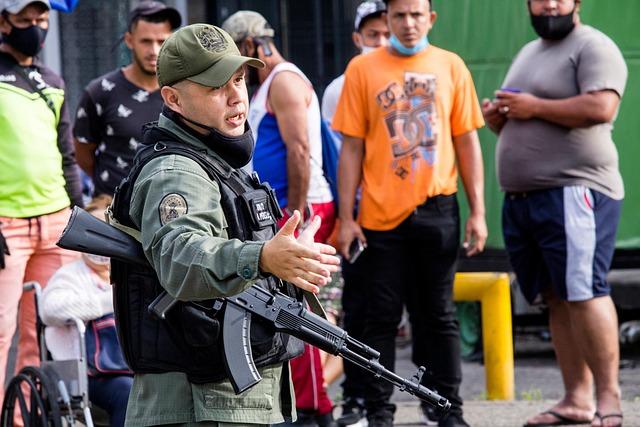
Heightened Military Presence at Venezuela-Colombia Border Signals Rising Tensions
Venezuela has recently intensified its military presence along the border with Colombia, deploying over a thousand troops in response to escalating security concerns. This strategic move aims to curb the surge in cross-border criminal activities, particularly drug trafficking and violence linked to organized crime syndicates operating in the region. Venezuelan authorities emphasize that this deployment is crucial for safeguarding national sovereignty and restoring order in contested border areas.
Concurrently, the United States has bolstered its involvement by dispatching naval vessels to the nearby maritime zones, working closely with Colombian forces to disrupt narcotics trafficking routes. This trilateral effort highlights a growing international commitment to dismantling powerful drug cartels that have long exploited the porous borders of South America. The coordinated operation includes:
- Intensified maritime patrols to intercept illicit drug shipments at sea
- Enhanced intelligence exchange among the US, Colombia, and Venezuela
- Precision strikes targeting cartel infrastructure and logistics
| Country | Forces Deployed | Main Objective |
|---|---|---|
| Venezuela | 1,000+ troops | Border control and anti-trafficking operations |
| United States | 2 naval vessels | Maritime interdiction and surveillance |
| Colombia | Special forces units | Cartel disruption and intelligence gathering |
US Navy Strengthens Maritime Operations Against Drug Trafficking
In a decisive effort to combat narcotics smuggling, the United States Navy has expanded its operational footprint along critical sea lanes adjacent to the Colombia-Venezuela border. This escalation coincides with Venezuela’s troop deployment, reflecting a shared urgency to dismantle the sophisticated networks underpinning drug cartels. Equipped with cutting-edge surveillance drones and fast-response patrol vessels, US naval forces are actively intercepting shipments and gathering actionable intelligence to disrupt cartel supply chains.
Key components of this enhanced maritime campaign include:
- Multinational collaboration: Seamless coordination between US naval units and regional partners to cover extensive maritime areas.
- Real-time intelligence integration: Leveraging satellite imagery and human intelligence to monitor cartel movements.
- Rapid interdiction capabilities: Deployment of swift interception craft to apprehend suspect vessels.
| Force | Function | Deployed Assets |
|---|---|---|
| US Navy | Maritime interdiction and surveillance | Patrol ships, reconnaissance drones |
| Venezuelan Military | Ground border security and patrols | Armored vehicles, observation posts |
| Colombian Forces | Intelligence and reconnaissance missions | Helicopters, sensor arrays |
Regional Security Consequences of Military Escalation
The bolstered military presence along the Venezuela-Colombia border represents a critical shift in the security landscape, with far-reaching implications for regional stability. Venezuela’s troop deployment underscores its intent to assert control over disputed territories, while Colombia’s partnership with the United States signals a deepening external influence in the region’s security affairs. This dynamic raises concerns about the potential for armed clashes and complicates diplomatic efforts aimed at peaceful conflict resolution.
Primary strategic challenges include:
- Risk of armed confrontation: Increased military activity heightens the possibility of clashes between state forces.
- Security gaps: Coordination difficulties may create vulnerabilities that criminal groups could exploit.
- Political instability: Foreign military involvement may exacerbate tensions and hinder regional cooperation frameworks.
| Aspect | Potential Impact | Stakeholders |
|---|---|---|
| Military Deployment | Enhanced border surveillance and control | Venezuelan Armed Forces |
| US Naval Operations | Improved interdiction of drug trafficking | US Navy, Colombian Security Forces |
| Cartel Activity | Potential adaptation and route shifts | Regional Criminal Organizations |
Recommendations for Enhancing Cross-Border Security Cooperation
Addressing the complex challenges posed by escalating tensions and entrenched criminal networks along the Venezuela-Colombia border requires a multifaceted approach centered on collaboration and innovation. Establishing robust, real-time communication channels between military and law enforcement agencies is vital for rapid threat identification and response. The creation of joint task forces can facilitate resource sharing and operational synergy, enabling more effective disruption of drug trafficking operations.
Investments in advanced surveillance technologies and border infrastructure are essential to strengthen territorial control while respecting the rights and livelihoods of border communities. Furthermore, tackling the socio-economic drivers of instability through integrated development programs can reduce the appeal of cartel recruitment. Recommended initiatives include:
- Binational economic development projects aimed at alleviating poverty and unemployment in border regions
- Community outreach and trust-building efforts to enhance cooperation with local populations
- Harmonization of legal frameworks to streamline anti-trafficking laws and judicial processes across borders
- Human rights oversight mechanisms to ensure security operations comply with international standards
Implementing these strategies can foster stronger bilateral relations and contribute to long-term regional stability by weakening cartel influence.
| Strategy | Anticipated Benefit |
|---|---|
| Joint Intelligence Sharing | Faster detection and neutralization of threats |
| Economic Empowerment Programs | Reduced cartel recruitment through job creation |
| Legal System Alignment | More effective prosecution and cross-border cooperation |
| Human Rights Monitoring | Increased legitimacy and public trust in security efforts |
Conclusion: Overview of Border Security Escalation and Its Implications
The recent surge in Venezuelan military deployments alongside the augmented presence of US naval forces near the Colombia border marks a pivotal escalation in the fight against drug cartels in South America. This intensified cooperation underscores the intricate geopolitical and security challenges confronting the region. As authorities strive to dismantle entrenched criminal networks, the evolving situation demands careful navigation of diplomatic relations among Venezuela, Colombia, and the United States to prevent further destabilization and promote lasting peace.