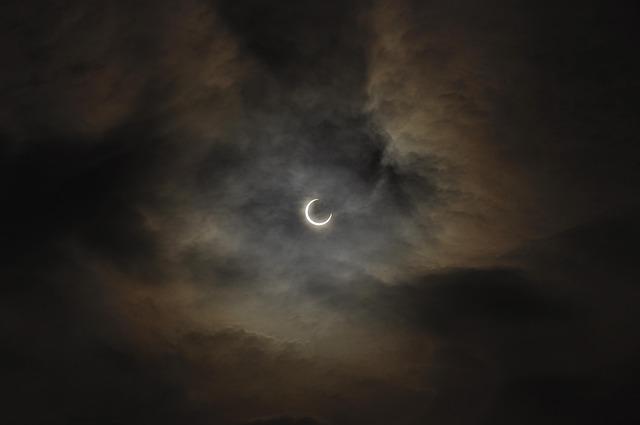
San Antonio’s Spectacular Total Lunar Eclipse: A Night to Remember
Tonight, residents of San Antonio have the unique chance to observe a breathtaking total lunar eclipse, commonly known as a “blood moon.” This extraordinary event occurs when the Earth’s shadow fully envelops the Moon, bathing it in a deep reddish glow caused by sunlight filtering through our atmosphere. KSAT is here to guide you through the best ways to experience this awe-inspiring astronomical phenomenon safely and comfortably.
Top Spots and Timing to Witness the Total Lunar Eclipse in San Antonio
For optimal viewing of tonight’s eclipse, several locations around San Antonio offer clear, unobstructed views of the night sky. Noteworthy places include Brackenridge Park, the San Antonio Missions National Historical Park, and the serene Japanese Tea Garden. These venues benefit from reduced light pollution and expansive horizons, perfect for catching the Moon’s transformation.
The eclipse’s total phase peaks at approximately 9:41 PM CDT. To observe the entire spectacle, plan to begin watching around 8:30 PM CDT when the partial eclipse starts, and continue until about 11:50 PM CDT when the Moon fully exits Earth’s shadow. Arriving early-by 8 PM-is recommended to secure a prime spot. Don’t forget to bring blankets or portable chairs for comfort, and consider binoculars or a telescope to enhance your view of the Moon’s surface as it shifts to its iconic copper-red shade.
- Arrive early: Beat the crowd by getting there before 8 PM.
- Clear skies are crucial: Cloudless conditions maximize visibility.
- Pack essentials: Chairs, warm layers, snacks, and blankets.
- Photography tip: Use a tripod to capture sharp images of the Moon.
| Phase | Time (CDT) | Duration | Viewing Advice |
|---|---|---|---|
| Partial Eclipse Begins | 8:30 PM | ~1 hour 10 minutes | Watch for the Moon’s edge to darken gradually |
| Totality Starts | 9:41 PM | ~37 minutes | Prime time to see the Moon’s blood-red glow |
| Totality Ends | 10:18 PM | Moon begins to brighten as it leaves Earth’s shadow | |
| Partial Eclipse Ends | 11:50 PM | Moon fully illuminated again |
Breaking Down the Stages of Tonight’s Lunar Eclipse
The total lunar eclipse unfolds through several fascinating phases, each revealing a different aspect of this cosmic event. It begins with the penumbral phase, where the Moon enters Earth’s outer shadow, causing a subtle dimming that is often hard to detect. This gentle shading sets the stage for the more dramatic changes ahead.
Following this, the Moon progresses into the partial eclipse phase, as it slips into the Earth’s umbra-the darkest part of the shadow. During this time, observers will notice a distinct “bite” appearing on the Moon’s surface as the shadow deepens.
The highlight is the totality phase, when the Moon is completely immersed in Earth’s umbra. The Moon takes on a striking reddish tint, caused by sunlight refracted through Earth’s atmosphere, which can range from a bright copper to a deep blood-red. After totality, the Moon gradually returns through these phases in reverse, regaining its usual brightness.
| Phase | Approximate Time (CDT) | Description |
|---|---|---|
| Penumbral Eclipse Begins | 9:00 PM | Moon’s surface starts to subtly darken |
| Partial Eclipse Begins | 10:10 PM | Earth’s shadow visibly encroaches on the Moon |
| Totality | 11:20 PM – 12:45 AM | Moon fully immersed in reddish shadow |
| Partial Eclipse Ends | 12:45 AM | Moon starts regaining brightness |
| Penumbral Eclipse Ends | 2:00 AM | Shadow fades completely, Moon fully illuminated |
Gear and Tips to Maximize Your Eclipse Experience
While the total lunar eclipse is visible without any equipment, bringing along binoculars or a small telescope can significantly enhance your experience by revealing intricate details on the Moon’s surface and the subtle color shifts during the eclipse. A sturdy tripod is essential to stabilize your viewing device and prevent shaky images. Additionally, a red LED flashlight is recommended to preserve your night vision while adjusting your gear in the dark.
Comfort is key for an enjoyable night under the stars. Dress in layers to stay warm as temperatures drop, and bring a blanket or reclining chair for extended viewing. Selecting a location away from bright city lights will reduce light pollution, allowing the Moon’s colors to stand out vividly. Here’s a handy checklist to prepare for the evening:
- Binoculars or telescope for detailed viewing
- Tripod to stabilize your optics or camera
- Red flashlight to maintain night vision
- Warm clothing and a cozy blanket
- Comfortable seating such as a chair or mat
- Camera with manual settings for photography enthusiasts
Weather’s Role in Eclipse Visibility Across San Antonio
Weather conditions will heavily influence how well the total lunar eclipse can be observed tonight. Even thin cloud layers can obscure the Moon, diminishing the vividness of the eclipse’s colors and phases. It’s advisable to monitor live weather updates, as occasional breaks in cloud cover might provide brief but spectacular views.
Humidity and fog can soften the clarity of the Moon’s surface details, while wind conditions affect atmospheric stability. Calm or gentle breezes create ideal viewing conditions, whereas strong gusts may cause atmospheric turbulence, leading to a less steady image. Air quality also plays a role; pollution can reduce the sharpness and contrast of the eclipse, especially during its more subtle phases.
| Weather Factor | Effect on Eclipse Viewing |
|---|---|
| Cloud Cover | Thick clouds block the Moon; clear skies are ideal |
| Humidity | High humidity can blur details; moderate to low is better |
| Wind | Calm winds support steady viewing; strong winds cause instability |
| Air Quality | Pollution reduces clarity, especially during subtle phases |
Closing Remarks: Don’t Miss This Celestial Showcase
As the total lunar eclipse unfolds over San Antonio tonight, it presents a rare and mesmerizing opportunity to connect with the cosmos. Whether you choose to watch from your backyard, a local park, or through a telescope, this event promises to be a memorable highlight of the year. Stay informed about weather conditions and eclipse timings to ensure you catch every moment of this spectacular lunar display. For ongoing updates and expert tips, keep following KSAT as the night progresses.