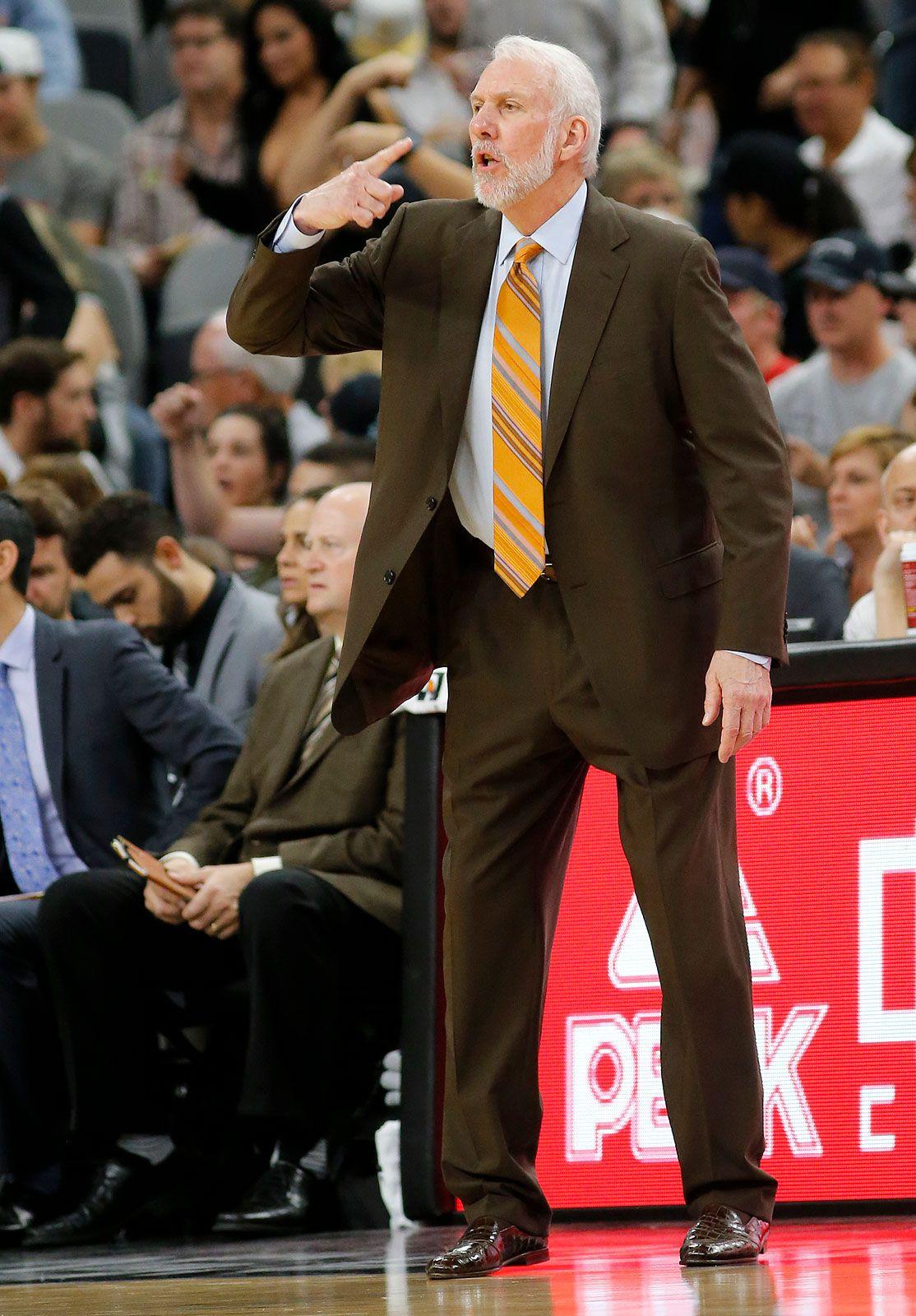
Popovich Urges Fans to Honor Kawhi Leonard’s Contributions
San Antonio Spurs head coach Gregg Popovich recently voiced his disappointment over the negative reactions from fans directed at Kawhi Leonard during a game. Leonard, a two-time NBA Finals MVP and instrumental figure in the Spurs’ 2014 championship run, was met with boos despite his lasting influence on the franchise. Popovich stressed the importance of recognizing Leonard’s achievements and urged fans to show respect rather than hostility toward a player who once brought immense pride to San Antonio.
In a candid press briefing, Popovich made several key points:
- Honoring past success: Fans should celebrate Leonard’s pivotal role in the Spurs’ championship history.
- Respecting personal choices: Leonard’s decision to leave was personal and deserves understanding, not animosity.
- Supporting the present: Encouraged fans to rally behind the current team and foster a positive atmosphere at games.
| Topic | Kawhi Leonard | Popovich’s Perspective |
|---|---|---|
| Legacy | 2014 NBA Champion, two-time Finals MVP | Warrants admiration and gratitude |
| Fan Reaction | Received boos during recent games | Calls for respectful treatment |
| Team Focus | Former franchise cornerstone | Encourages support for current roster |
Kawhi Leonard’s Enduring Impact on the Spurs Organization
Kawhi Leonard’s tenure with the San Antonio Spurs significantly shaped the team’s identity during a transitional era. Known for his exceptional defensive skills and composed leadership, Leonard was a key catalyst in securing the Spurs’ 2014 NBA Championship, marking a resurgence after the Tim Duncan era. His progression from a supporting player to the franchise’s focal point redefined the Spurs’ emphasis on defense and collective effort. Leonard’s growth also highlighted the Spurs’ reputation for developing young talent alongside seasoned veterans.
However, Leonard’s exit from San Antonio was surrounded by controversy, leaving fans divided—a sentiment reflected in the recent boos that prompted Popovich’s defense. The coach reminded the community to prioritize respect and unity over division. Leonard’s influence can be summarized as follows:
- Defensive excellence: His multiple Defensive Player of the Year honors reinforced the Spurs’ status as a defensive juggernaut.
- Championship legacy: The 2014 title remains a defining achievement, largely credited to Leonard’s clutch performances.
- Organizational transition: His departure initiated a rebuilding phase, compelling the Spurs to rethink their core strategies.
| Season | Points Per Game | Opponent FG% Allowed | Team Record |
|---|---|---|---|
| 2013-14 | 12.8 | 42.4% | 62-20 |
| 2014-15 | 16.5 | 41.7% | 55-27 |
| 2015-16 | 21.2 | 40.1% | 67-15 |
Why Honoring Former Athletes Enhances the Sports Community
In professional sports, the influence of past players often extends well beyond their active years, deeply impacting team culture and fan identity. Disrespecting these athletes—especially those who have played crucial roles in a franchise’s success—diminishes the spirit of the game and erodes the values of loyalty and gratitude that underpin true sportsmanship. Negative fan behavior, such as booing former stars, can send discouraging signals to current players and prospects, potentially fracturing team unity and morale.
Gregg Popovich’s comments highlight essential principles for fostering a positive sports environment:
- Appreciation for contributions: Recognize and honor the dedication and achievements of former players.
- Maintaining sportsmanship: Encourage a respectful and supportive atmosphere regardless of player departures or controversies.
- Building community values: Cultivate a fan culture that values commitment and passion beyond immediate team circumstances.
| Aspect | Effect on Team Culture | Example of Positive Fan Behavior |
|---|---|---|
| Respect for Legacy | Promotes pride and continuity | Applauding jersey retirements |
| Encouragement | Elevates current team morale | Cheering former players during introductions |
| Positive Atmosphere | Minimizes negativity and division | Discouraging booing at events |
Strategies to Cultivate Respectful Fan-Team Relationships
Building a respectful and supportive relationship between fans and their teams demands intentional efforts from both sides. Transparent communication is vital—teams should keep fans informed through honest updates and meaningful community engagement, while fans are encouraged to respect players’ career choices, recognizing that professional paths evolve beyond team loyalty. Creating interactive platforms such as fan forums, Q&A sessions with players and coaches, and community events can help bridge gaps and foster mutual understanding.
Additionally, promoting empathy and sportsmanship within arenas and online communities helps counteract negative behaviors like booing or hostility toward former players. Celebrating the achievements of all players, regardless of their current affiliations, preserves the club’s heritage and honors individual contributions. The table below outlines actionable steps for fans and organizations to nurture these positive dynamics:
| Fan Responsibilities | Team Initiatives |
|---|---|
| Respect players’ career decisions and transitions | Provide clear, honest communication about roster changes |
| Honor departing players during games and ceremonies | Organize fan engagement events and open dialogues |
| Celebrate players’ achievements regardless of current team status | Promote a culture of respect and sportsmanship |
Looking Ahead: Popovich’s Message and the Evolution of Spurs Fandom
Gregg Popovich’s rare public admonishment of Spurs fans highlights the deep respect he maintains for Kawhi Leonard, despite the player’s departure and subsequent success with other teams. This incident sheds light on the emotional complexities that often accompany professional sports fandom, where loyalty and personal bonds intersect with competitive rivalries. Popovich’s defense of Leonard serves as a poignant reminder that beyond the cheers and jeers, there exists a shared respect and appreciation that transcends current allegiances, fostering a richer, more inclusive sports culture.