
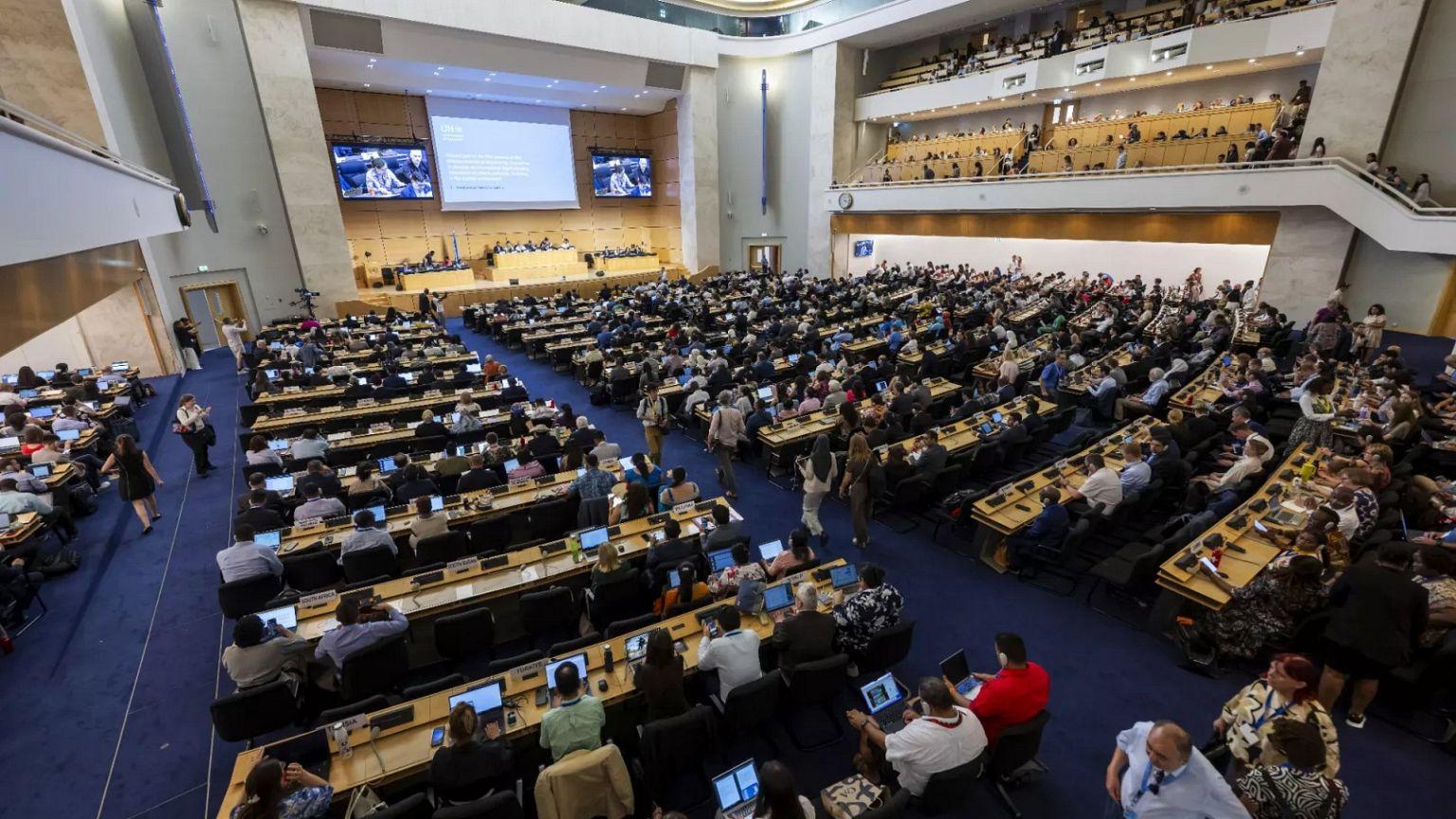
In a notable shift from previous policies, the United States has taken the rare step of participating in international talks on a global plastics treaty under the Trump administration. This unexpected involvement marks a departure from the country’s typical approach to multilateral environmental agreements during that period. As world leaders and representatives gather to negotiate measures aimed at curbing plastic pollution, questions arise about the objectives and impacts of the U.S.’s engagement in these critical discussions. This article explores the significance of Washington’s presence at the talks and what the administration hopes to achieve in the global push to address the growing plastic crisis.
US Joins Global Plastics Treaty Talks Marking Shift in Environmental Policy
In a notable pivot from previous administrations, the United States is participating in international negotiations aimed at creating a binding global treaty to address the mounting crisis of plastic pollution. This rare gesture under the Trump era signals an emerging recognition of plastics as a cross-border environmental threat requiring collective action. U.S. delegates have emphasized the ambition to strengthen supply chain transparency and endorse sustainable production practices, marking a clear shift towards prioritizing ecological accountability on a worldwide scale.
Key objectives highlighted by the U.S. delegation include:
- Reducing single-use plastic waste through enforceable limits
- Encouraging innovation in biodegradable materials
- Promoting international cooperation on waste management
- Enhancing global monitoring and reporting mechanisms
| Focus Area | U.S. Position | Expected Outcome |
|---|---|---|
| Production Limits | Support gradual reduction | Lower plastic supply & waste |
| Innovation | Fund R&D for alternatives | More eco-friendly materials |
| Waste Management | Enhance cross-border efforts | Improved recycling rates |
| Transparency | Expand reporting standards | Better global accountability |
Analyzing the Goals Behind US Participation in International Plastic Waste Agreements
While the Trump administration largely refrained from active engagement in global environmental accords, its involvement in the international plastic waste agreements marks a notable exception. This pivot reflects a strategic move focused on positioning the US as a key influencer in shaping regulatory frameworks that could impact domestic industries tied to plastics production and recycling. Officials have articulated objectives that extend beyond environmental stewardship, emphasizing economic competitiveness and innovation incentives in advanced waste management technologies.
The US delegation’s approach at the talks reveals several intertwined goals that underpin their participation:
- Protecting American Industry: Advocating for policies that avoid overly restrictive measures that could burden US manufacturers.
- Promoting Technological Solutions: Encouraging investments in cutting-edge recycling methods and biodegradable materials as alternatives to bans.
- Global Leadership: Steering international standards to align with US economic interests while maintaining a cautious stance on binding commitments.
- Balancing Environmental and Economic Priorities: Striving to find consensus that mitigates pollution without compromising job markets reliant on plastics.
| Goal | Focus Area | Potential Impact |
|---|---|---|
| Industry Protection | Trade & Regulation | Preserves market share, limits costly mandates |
| Technological Innovation | R&D & Recycling | Boosts eco-friendly materials development |
| Global Influence | Diplomatic Negotiations | Shapes international compliance standards |
Challenges and Opportunities for the US in Shaping Global Plastic Pollution Solutions
Amid global concerns over escalating plastic pollution, the United States’ unexpected engagement in international treaty discussions marks a significant shift from previous years. Under the Trump administration, the US notably refrained from participating in many multilateral environmental dialogues, making this involvement both rare and strategically important. This move opens doors to influence multinational regulations and standards surrounding plastic production, waste management, and recycling initiatives. However, navigating complex domestic politics and aligning diverse stakeholder interests remain formidable challenges in driving meaningful commitments at the global level.
Key opportunities lie in leveraging America’s technological expertise and leadership in innovation to foster sustainable alternatives and circular economy models worldwide. The US delegation is reportedly focusing on:
- Promoting advanced recycling technologies that can be replicated in developing nations
- Strengthening transnational cooperation to reduce marine and terrestrial plastic waste
- Encouraging corporate responsibility through transparent supply chains and packaging standards
By actively shaping a framework that balances environmental urgency with economic interests, the US aims to set precedent-setting policies that could drive global plastic pollution reduction efforts. Here is a simplified overview of anticipated US strategies versus potential hurdles:
| US Strategic Focus | Challenges Ahead |
|---|---|
| Innovation in plastics alternatives | Domestic industry pushback |
| International partnership frameworks | Diplomatic resistance from key polluters |
| Corporate accountability incentives | Enforcement and compliance monitoring |
Strategic Recommendations for Sustained US Engagement in Environmental Treaties
To ensure the United States maintains its pivotal role in global environmental governance, it is essential to adopt a multi-dimensional approach that balances strategic diplomacy with robust domestic policy alignment. This means actively committing to international frameworks while integrating treaty objectives within national regulations. Effective engagement can be fostered through:
- Consistent bipartisan support for environmental initiatives, reducing the risk of policy reversals.
- Enhanced collaboration with allied nations to leverage collective influence and technological innovation.
- Transparent communication strategies that highlight environmental treaty benefits to both the economy and public health.
Moreover, embedding adaptive mechanisms that respond to evolving scientific data and geopolitical shifts will be crucial. The table below outlines key strategic pillars alongside actionable goals for sustained US involvement:
| Strategic Pillar | Actionable Goal |
|---|---|
| Policy Integration | Synchronize national laws with treaty commitments |
| Diplomatic Leadership | Lead regional coalitions on plastic reduction innovation |
| Public Engagement | Launch awareness campaigns highlighting treaty impacts |
| Scientific Collaboration | Fund interdisciplinary plastic pollution research |
The Conclusion
As the global community works toward a comprehensive plastics treaty, the United States’ involvement under the Trump administration marks a notable shift in its usual international stance on environmental agreements. While the path forward remains uncertain, Washington’s rare engagement signals a potential willingness to address the escalating plastic pollution crisis on the world stage. Observers will be watching closely to see whether this participation translates into meaningful commitments and collaborative action in future negotiations.