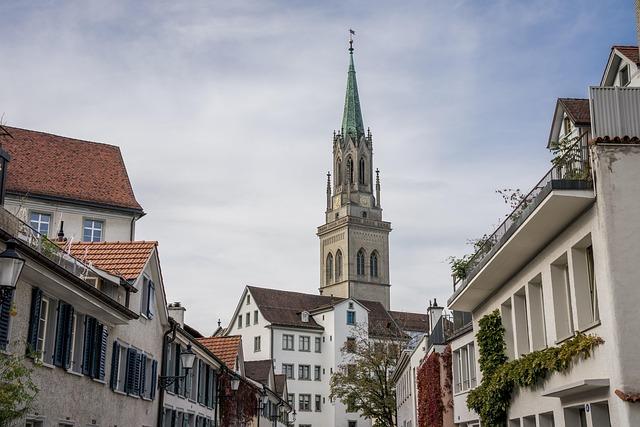
Faith and Politics Unite: GOP Mobilization at San Antonio’s Cornerstone Church During Early Voting
Cornerstone Church: A Strategic Hub for Republican Campaign Efforts in San Antonio
As early voting commenced in Texas, Cornerstone Church in San Antonio emerged as a pivotal venue for Republican strategizing. The historic church became a focal point where GOP leaders, campaign strategists, and elected officials convened to sharpen their outreach tactics and galvanize voter turnout. Its central location and ample space provided an optimal environment for collaborative planning aimed at engaging diverse voter segments throughout Bexar County.
Key agenda items during these gatherings included:
- Customized voter outreach: Developing targeted approaches to connect with suburban families and rural communities.
- Strategic resource deployment: Allocating campaign funds toward focused advertising and grassroots mobilization efforts.
- Building alliances: Enhancing cooperation with local business leaders and civic groups to broaden support networks.
This congregation of GOP stakeholders at Cornerstone Church highlights the intensified emphasis on regional contests that could significantly influence Texas’s political trajectory in the coming years, setting a dynamic tone for the early voting phase.
Engaging the Electorate: GOP Leaders Foster Community Dialogue at Cornerstone Church
With early voting underway, prominent Republican figures utilized Cornerstone Church as a platform to engage directly with constituents through interactive forums. These sessions prioritized open communication, allowing voters to express their views on pressing local matters such as economic development, education policies, and public safety concerns. Attendees appreciated the informal, welcoming atmosphere that contrasted with conventional campaign venues, facilitating more genuine and productive conversations.
Highlights from these community interactions included:
- Panel discussions focused on actionable strategies for neighborhood revitalization.
- Opportunities for personalized dialogues between voters and candidates.
- Distribution of detailed literature outlining candidates’ platforms and upcoming legislative priorities.
| Candidate | Policy Focus | Community Response |
|---|---|---|
| Rep. Alicia Martinez | Education Enhancement | Strong advocacy for increased funding for public schools |
| Sen. David Lee | Neighborhood Safety | Calls for expanded community policing initiatives |
| Mayor Carlos Ramirez | Economic Development | Interest in boosting incentives for local entrepreneurs |
Evaluating the Influence of Religious Venues on Voter Participation in San Antonio
Cornerstone Church’s role as a gathering place for GOP events during early voting underscores the growing trend of leveraging faith-based settings to enhance electoral engagement. Such venues often inspire higher voter turnout, particularly in districts where evangelical communities align closely with conservative values. Recent data from Bexar County indicates a 12% increase in early ballot submissions in precincts surrounding the church, suggesting a tangible impact of these faith-centered political activities.
Factors contributing to this trend include:
- Established trust: Religious settings provide a familiar and credible environment that encourages participation.
- Value-driven messaging: Campaign narratives that resonate with attendees’ spiritual and social beliefs.
- Convenient timing: Aligning political events with regular church activities to maximize voter accessibility.
| Date | Early Votes Cast | Event Attendance |
|---|---|---|
| May 3 | 1,320 | 280 |
| May 10 | 1,580 | 340 |
| May 17 | 1,900 | 410 |
Guidelines for Promoting Fairness and Inclusivity in Political Events Hosted by Religious Institutions
To maintain integrity and foster community trust when churches host political gatherings, it is essential to implement transparent and inclusive practices. Clear communication about event sponsors, speakers, and agendas helps attendees and the broader public understand the event’s purpose and affiliations. Moreover, religious venues should strive to welcome diverse political perspectives, ensuring that no single party dominates the platform and that all voices have equitable representation.
Recommended measures to enhance openness and inclusivity include:
- Nonpartisan invitations: Extending event participation opportunities to candidates across the political spectrum.
- Neutral moderation: Utilizing impartial facilitators to guide discussions and prevent bias.
- Respect for diversity: Acknowledging and honoring the varied religious and cultural backgrounds within the congregation during political discourse.
| Best Practice | Objective | Example in Action |
|---|---|---|
| Transparent Sponsorship Disclosure | Clarify event funding sources | Publishing detailed sponsor lists on event materials and websites |
| Inclusive Invitations | Encourage broad political participation | Sending formal invites to all local candidates regardless of party |
| Impartial Event Facilitation | Ensure balanced and fair discussions | Rotating moderators who are unaffiliated with political campaigns |
Final Thoughts
As early voting progresses in San Antonio, the activities at Cornerstone Church exemplify the powerful convergence of faith and politics within the city’s electoral process. GOP leaders’ efforts to engage voters in a familiar, community-centered environment underscore the significance of grassroots involvement and open dialogue in influencing election outcomes. The forthcoming weeks will be telling in how these faith-based initiatives shape voter behavior and ultimately impact local and statewide races.