
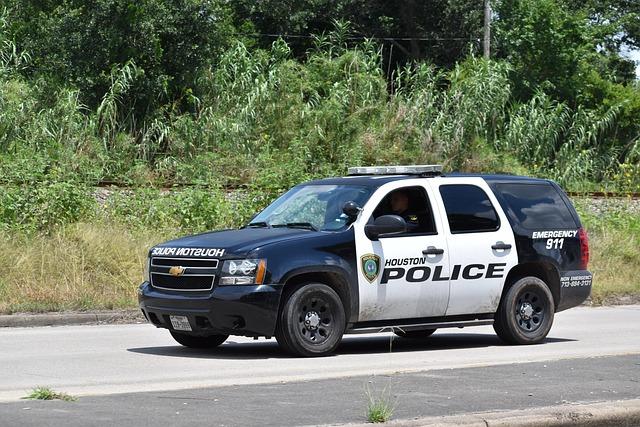
Houston’s Crime Landscape: A Divergence from National Progress
National Crime Reduction: A Result of Comprehensive Reforms and Innovation
Across the United States, crime rates have been steadily decreasing, reflecting the success of diverse policy initiatives and community-focused reforms. Enhanced investments in mental health resources, progressive criminal justice policies, and the expansion of community policing have played pivotal roles in this positive shift. Furthermore, law enforcement agencies have leveraged cutting-edge technologies such as AI-driven surveillance and predictive analytics to anticipate and mitigate criminal activities more efficiently.
Primary Drivers Behind the National Decline Include:
- Robust community outreach programs that build mutual trust
- Sentencing reforms reducing incarceration for minor offenses
- Officer training emphasizing conflict resolution and cultural awareness
- Seamless interdepartmental data sharing and collaboration
| Year | Crime Rate Nationwide (per 100,000 residents) | Year-over-Year Change |
|---|---|---|
| 2019 | 3,450 | — |
| 2020 | 3,100 | −10.1% |
| 2021 | 2,800 | −9.7% |
| 2022 | 2,600 | −7.1% |
Houston’s Crime Trends: An Alarming Departure from National Patterns
Contrary to the encouraging national statistics, Houston has experienced an uptick in criminal activity, particularly violent offenses. Recent reports from the Houston Police Department reveal a 7% rise in overall crime over the past year, with aggravated assaults and property crimes notably increasing. This stands in stark contrast to the national decline, where violent crimes have fallen by roughly 5% and property crimes by 8%. Experts point to a complex interplay of economic hardship, insufficient policing resources, and inconsistent community engagement as key contributors to this troubling trend.
Factors Influencing Houston’s Crime Surge:
- Socioeconomic Inequality: Areas with elevated poverty and unemployment rates are disproportionately affected.
- Law Enforcement Challenges: Staffing shortages and evolving crime-fighting strategies have limited effectiveness.
- Community Relations: Uneven success in building strong partnerships between residents and police forces.
| Crime Category | Houston Year-over-Year Change | National Year-over-Year Change |
|---|---|---|
| Violent Crime | +7% | −5% |
| Property Crime | +4% | −8% |
| Aggravated Assault | +9% | +1% |
Shortcomings in Houston’s Crime Prevention and Community Engagement Efforts
Despite the nationwide momentum toward safer communities, Houston’s current strategies have yet to produce significant results. Programs designed to enhance police-community relations and local involvement have been sporadic and lack a unified, data-informed framework. Critics argue that without a holistic approach addressing the root causes of crime, such as poverty and education gaps, these efforts will continue to fall short.
Additionally, resource distribution within Houston’s law enforcement agencies has been uneven, leading to gaps in coverage and response times. Community advocates emphasize the need for:
- Greater transparency and accountability within police operations
- Increased funding for social services that tackle underlying social issues
- Strengthened communication channels between residents and law enforcement
| Initiative | Current Status | Effectiveness |
|---|---|---|
| Community Policing | Partially Adopted | Limited trust development |
| Resource Allocation | Inconsistent | Unequal area coverage |
| Social Intervention Programs | Underfunded | Minimal impact on crime rates |
Strategic Recommendations for Enhancing Safety in Houston
Addressing Houston’s crime challenges requires a tailored, multifaceted approach that leverages data analytics and community collaboration. Prioritizing law enforcement presence in crime-prone neighborhoods through increased patrols and surveillance technology can disrupt criminal activity and foster stronger community trust.
Equally important is the expansion of social initiatives targeting the root causes of crime, including unemployment, educational disparities, and mental health issues. Experts advocate for:
- Broadening youth engagement programs to divert at-risk individuals from criminal involvement
- Deploying advanced real-time crime mapping tools to enhance response efficiency
- Intensifying community policing efforts to build cooperative relationships
- Launching public education campaigns focused on crime prevention strategies
| Proposed Action | Anticipated Benefit | Key Participants |
|---|---|---|
| Focused Foot Patrols | Reduction in Crime Hotspots | Houston Police Department |
| Youth Mentorship and Outreach | Decrease in Juvenile Crime | Community Groups |
| Real-Time Crime Data Systems | Accelerated Incident Resolution | City IT & Law Enforcement |
| Community Safety Workshops | Heightened Public Awareness | Local Government & NGOs |
Looking Ahead: Houston’s Path to Safer Streets
While the nation enjoys a downward trend in crime, Houston’s ongoing struggles underscore the complexities of urban safety in a diverse metropolitan environment. The city’s future depends on the successful implementation of targeted, evidence-based strategies that address both immediate crime concerns and their underlying causes. Continued monitoring and adaptive policymaking will be essential as Houston strives to align with the broader national progress. For ongoing updates and in-depth coverage, stay connected with News Radio 1200 WOAI.