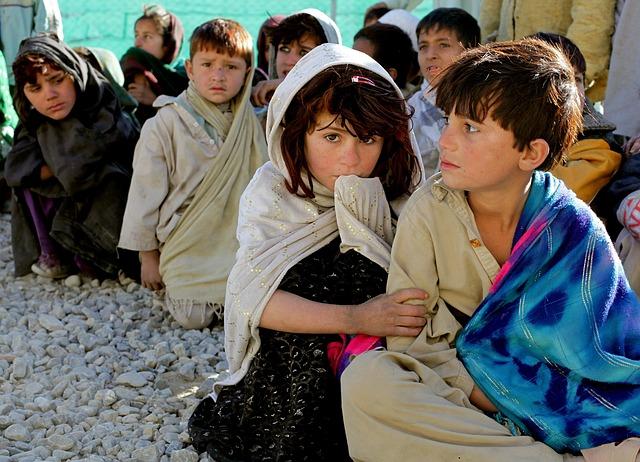
Renewing Educational Opportunities for Afghan Children in San Antonio
After enduring years of conflict that uprooted their lives and interrupted their schooling, Afghan children arriving in San Antonio are now presented with a fresh opportunity to pursue education and rebuild their futures. The prolonged instability in Afghanistan severely hindered their access to consistent learning, but thanks to the concerted efforts of local schools and community organizations in Texas, these young refugees are receiving vital support to overcome past disruptions. This article delves into how San Antonio is emerging as a supportive hub for Afghan families striving for stability and educational advancement amid the complexities of resettlement.
How Conflict Disrupted Education for Afghan Youth
For decades, ongoing violence in Afghanistan has forced many children to halt their education abruptly. The destruction of educational infrastructure, persistent threats to safety, and frequent displacement created insurmountable obstacles for young learners. Families often had to prioritize immediate survival needs over schooling, resulting in prolonged absences from formal education. Consequently, many Afghan children arrived in the U.S. with significant gaps in foundational knowledge and skills, trailing behind their global peers in academic readiness.
Now settled in San Antonio, these children are entering classrooms equipped not only with educational materials but also with comprehensive support systems designed to address their unique challenges. Key program components include:
- Targeted English language learning to overcome communication barriers
- Social-emotional programs aimed at healing trauma caused by war and displacement
- Customized academic interventions to help students catch up on missed schooling
This integrated approach fosters a nurturing atmosphere where Afghan youth can reclaim their educational aspirations and envision a future defined by learning rather than conflict.
Overcoming Resettlement Barriers: Tailored Educational Approaches in San Antonio
Afghan children face numerous hurdles as they attempt to reintegrate into the U.S. education system. Many have experienced psychological trauma and extended interruptions in their schooling, complicating their adjustment to conventional classroom environments. Language differences, cultural unfamiliarity, and navigating a new educational framework add layers of difficulty. San Antonio schools actively collaborate with families to understand each student’s background, providing social-emotional support alongside practical assistance such as transportation and access to digital learning tools.
Educators have adopted several adaptive strategies to meet these students’ needs, including bilingual instruction and peer mentorship programs that promote both language development and social integration. Flexible scheduling and individualized learning plans accommodate varying proficiency levels, while trauma-informed teaching practices create a compassionate learning environment. The following table summarizes key adaptations implemented by local schools:
| Adaptation | Description |
|---|---|
| Bilingual Education | Instruction and materials provided in English and native languages such as Dari or Pashto |
| Peer Mentorship | Connecting new students with established peers for academic and social support |
| Trauma-Informed Training | Preparing staff to identify and sensitively respond to trauma-related behaviors |
| Flexible Scheduling | Allowing adjustments in class times to support gradual academic progress and counseling |
Community Initiatives Supporting Afghan Students’ Academic and Emotional Well-being
In San Antonio, a network of community organizations, volunteers, and schools has mobilized to address the complex needs of Afghan students resettling after years of disrupted education. These efforts extend beyond academic tutoring to include emotional support and cultural acclimation. Collaborative programs offer language instruction, mentorship, and counseling services, creating a holistic support system that recognizes the trauma these children have endured and prioritizes both mental health and educational success.
Essential elements of this community-driven support include:
- Bilingual education programs designed to ease language acquisition and build confidence in English
- Peer mentorship groups fostering friendships and social networks crucial for emotional resilience
- Trauma-informed counseling tailored to address the psychological effects of war and displacement
- Parental engagement initiatives bridging communication between families and schools to reinforce learning at home
| Support Type | Provider | Impact |
|---|---|---|
| Bilingual Classes | San Antonio Independent School District | Enhanced language proficiency and increased student participation |
| Mental Health Counseling | Local Nonprofit Clinics | Reduced trauma symptoms and improved concentration |
| Mentorship Programs | Community Volunteers | Stronger social bonds and higher retention rates |
Effective Strategies to Boost Educational Access and Integration for Refugee Children
Ensuring refugee children receive consistent, high-quality education requires a comprehensive approach that integrates academic, social, and emotional support. San Antonio schools have pioneered initiatives emphasizing intensive English as a Second Language (ESL) instruction, cultural orientation, and trauma-informed pedagogy. These programs aim to create welcoming environments where Afghan students, many of whom have experienced interrupted schooling, can adapt swiftly and thrive academically.
Partnerships between schools, nonprofits, and volunteers are vital to these efforts, providing after-school tutoring, counseling, and family outreach services that address barriers such as transportation, childcare, and legal documentation. Teacher training on refugee-specific challenges further enhances the ability to deliver personalized support that fosters both academic achievement and social inclusion.
- Intensive ESL courses to rapidly improve language skills
- Trauma-informed care to support mental health and emotional recovery
- Community-led tutoring and mentoring to reinforce learning and social connections
- Family integration programs to facilitate cultural adjustment and parental involvement
| Strategy | Primary Benefit | Key Partners |
|---|---|---|
| ESL Intensive Classes | Accelerated language acquisition | School District, ESL Educators |
| After-school Tutoring | Academic remediation | Volunteers, Community Organizations |
| Cultural Orientation Workshops | Enhanced social integration | Community Centers |
| Mental Health Counseling | Emotional support and trauma recovery | Licensed Therapists |
Looking Ahead: Education as a Pathway to Hope and Renewal
The journey of Afghan children resettling in San Antonio—from the hardships of conflict to the promise of education—exemplifies resilience and hope. Although war interrupted their schooling, the dedication of local schools and communities is opening doors to opportunities once denied. Their experiences highlight the transformative power of education to restore lives and build brighter futures. For these young learners, San Antonio represents more than a new home; it is a place where the promise of learning and growth can flourish despite past adversity.