Rising Air Pollution in Houston and Dallas: Causes, Consequences, and Solutions
Industrial Expansion Drives Air Quality Deterioration in Texas Metropolises
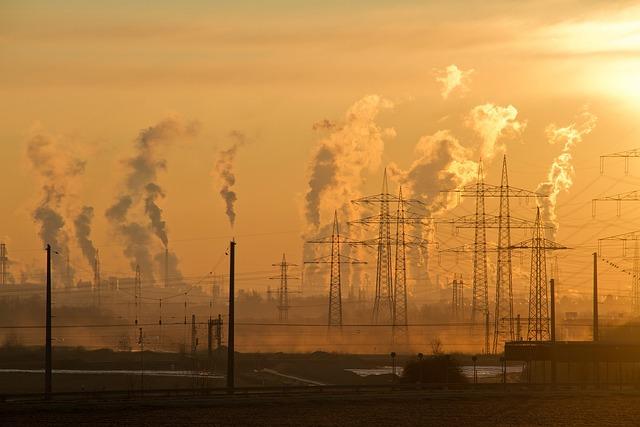
The metropolitan areas of Houston and Dallas are experiencing a marked decline in air quality, primarily attributed to accelerated industrial development. The revival and growth of sectors such as petrochemical manufacturing, oil refining, and chemical production have led to increased emissions of harmful pollutants including nitrogen oxides (NOx) and fine particulate matter (PM2.5). These contaminants are key contributors to urban smog and respiratory ailments. Environmental monitoring agencies have raised alarms as these elevated pollution levels challenge compliance with federal Clean Air Act standards, prompting intensified oversight from regulatory bodies.
Several critical contributors to this environmental degradation include:
- Growth of petrochemical complexes near the Houston Ship Channel, releasing higher quantities of volatile organic compounds (VOCs).
- Surging traffic volumes linked to population increases, elevating nitrogen dioxide (NO2) concentrations in city centers.
- Insufficient enforcement of emission standards at industrial facilities, allowing excessive pollutant discharge.
| Pollutant | Average Level 2022 (µg/m³) | Average Level 2023 (µg/m³) | Percentage Increase |
|---|---|---|---|
| PM2.5 | 12.1 | 14.8 | 22% |
| NOx | 25.3 | 30.7 | 21% |
| VOCs | 7.8 | 10.2 | 31% |
Urban Sprawl and Traffic Congestion Amplify Pollution Challenges
The sprawling growth of suburban neighborhoods combined with congested roadways has intensified air pollution issues in Houston and Dallas. As residential and commercial developments spread farther from city centers, residents face longer commutes, predominantly relying on personal vehicles due to limited public transportation options. This increase in vehicle miles traveled (VMT) results in elevated emissions of nitrogen oxides and particulate matter, exacerbating smog formation and respiratory health problems such as asthma.
Key elements contributing to this trend include:
- Expansion of road infrastructure encouraging dependence on automobiles.
- Dispersed commercial zones necessitating additional car trips for shopping and services.
- Growth in freight transportation increasing diesel emissions near residential communities.
| Factor | Effect on Pollution | Illustrative Example |
|---|---|---|
| Vehicle Miles Traveled | Increased emissions | Annual commuter driving up by 20% |
| Suburban Expansion | Greater car dependency | Fragmented residential and school locations |
| Public Transit Limitations | Reduced transit usage | Cutbacks in suburban bus routes |
Disproportionate Health Impacts on At-Risk Populations
The surge in air pollution is especially detrimental to vulnerable groups such as children, seniors, and economically disadvantaged residents who often live near industrial zones and busy highways. Chronic exposure to pollutants like PM2.5, NOx, and VOCs can lead to serious health complications including asthma exacerbations, chronic bronchitis, and cardiovascular diseases.
Major health concerns linked to pollution exposure include:
- Increased emergency room visits for asthma and respiratory infections
- Elevated incidence of heart attacks and strokes due to long-term pollutant exposure
- Potential developmental delays and cognitive effects in children from toxic air contaminants
Recent health department statistics underscore the urgency for focused public health interventions in the most affected neighborhoods. The table below outlines pollution-related health incidents reported over the past year.
| Community | Respiratory ER Visits | Asthma Diagnoses | Cardiovascular Events |
|---|---|---|---|
| Eastside District | 320 | 450 | 150 |
| Riverbend Area | 280 | 390 | 130 |
| Southtown | 310 | 420 | 160 |
Calls for Enhanced Emission Controls and Public Transit Investments
Environmental experts and policymakers emphasize the necessity for immediate and robust measures to combat the worsening air pollution in Houston and Dallas. Central to their proposals is the implementation of more stringent emissions standards targeting both industrial sources and vehicular pollutants. Without such regulatory reinforcement, the prevalence of pollution-related health issues is expected to escalate.
In parallel, there is a strong advocacy for increased investment in public transportation systems to reduce dependence on private vehicles, a major source of urban air contaminants. Recommended initiatives include:
- Expansion and modernization of bus and light rail services
- Incentivizing the adoption of electric and low-emission vehicles
- Creation of dedicated cycling infrastructure and pedestrian-friendly urban spaces
These strategies aim to foster sustainable urban mobility, improve air quality, and enhance the overall health and resilience of these rapidly growing cities.
Conclusion: Addressing the Air Quality Crisis in Texas Cities
The upward trend in air pollution across Houston and Dallas presents significant challenges for public health and environmental sustainability. A comprehensive understanding of the underlying causes—from industrial emissions to urban sprawl—is essential for crafting effective solutions. Continuous air quality monitoring, community involvement, and targeted policy interventions will be vital to reversing this trajectory and safeguarding the well-being of all residents. This situation highlights the pressing need for coordinated efforts to manage the environmental impacts of urban growth in Texas and beyond.