


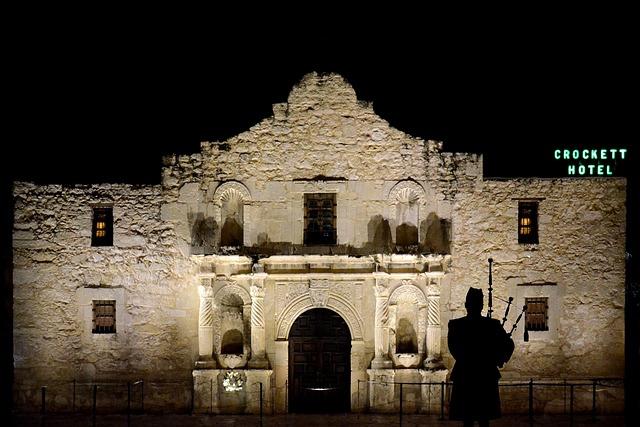
San Antonio’s Finesilver Building: A Living Chronicle of History and Progress
Historical Foundations and Architectural Transformations
Situated prominently in downtown San Antonio, the Finesilver Building is a distinguished relic dating back to the late 19th century. Erected in the 1880s, this structure originally showcased the Victorian Italianate architectural style, a design choice that mirrored the city’s economic optimism during that period. Characterized by ornate cornices, slender vertical windows, and elaborate cast-iron balconies, the building exemplified the elegance and solidity sought by commercial enterprises of the time. Over the years, it adapted to the city’s shifting urban landscape, serving diverse functions from retail outlets to office spaces.
Its architectural journey reflects broader stylistic trends and urban development patterns:
- 1920s: The building embraced Art Deco influences, introducing geometric designs that softened its Victorian intricacies.
- Mid-20th Century: Renovations prioritized practicality, streamlining the façade to meet evolving commercial needs.
- 21st Century Restoration: Recent preservation efforts have meticulously revived historic elements while integrating modern infrastructure to support contemporary use.
| Period | Architectural Style | Distinctive Features |
|---|---|---|
| 1880s | Victorian Italianate | Cast-iron balconies, tall narrow windows, decorative cornices |
| 1920s | Art Deco | Geometric patterns, simplified exterior |
| 2000s | Contemporary Preservation | Restored historic details, upgraded amenities |
Economic Significance and Urban Impact
The Finesilver Building has played a pivotal role in shaping San Antonio’s commercial vitality from the late 1800s through the early 1900s. Strategically positioned near key transportation routes such as the river and railways, it became a magnet for merchants, craftsmen, and financiers, fostering a thriving business ecosystem. This hub facilitated cross-sector collaboration, fueling growth in manufacturing and retail industries and stimulating job creation in surrounding neighborhoods.
Major Economic Contributions Include:
- Encouraging partnerships across diverse industries, enhancing local production and sales.
- Hosting early financial institutions that provided capital for infrastructure and urban development.
- Spurring urban renewal efforts that improved transportation networks and public amenities.
| Decade | Economic Development | Resulting Impact |
|---|---|---|
| 1880s | Formation of trade alliances | Expansion of commercial markets |
| 1900s | Growth of banking institutions | Increased funding for projects |
| 1920s | Infrastructure modernization | Enhanced connectivity and services |
Conservation Challenges and Preservation Strategies
Preserving the Finesilver Building presents a complex challenge, balancing the need to maintain its historical authenticity with the pressures of modern urban development. Preservation advocates have focused on restoring signature features such as the intricate ironwork and period-specific windows. However, securing adequate funding remains a significant hurdle, as competition for grants among San Antonio’s numerous heritage sites is intense. The city’s Historic Landmark Commission actively supports adaptive reuse initiatives, aiming to repurpose underutilized areas into cultural venues like galleries and community centers.
Structural deterioration caused by decades of weather exposure has compromised the building’s foundation and roofing, necessitating comprehensive repairs. Below is an overview of the primary preservation obstacles and current responses:
| Preservation Challenge | Current Measures | Future Requirements |
|---|---|---|
| Limited Funding | Grant applications, community fundraising | Expanded public-private collaborations |
| Structural Wear | Targeted restorations, regular inspections | Comprehensive engineering evaluations |
| Development Pressures | Zoning protections, advocacy campaigns | Stronger preservation legislation |
As San Antonio continues to expand, safeguarding the Finesilver Building’s legacy remains essential to preserving the city’s 19th-century heritage.
Community Involvement and Vision for the Future
Beyond its historical importance, the Finesilver Building functions as a lively center for community engagement and cultural activities. Local groups and residents have revitalized the space, hosting art exhibitions, seasonal markets, and educational programs that celebrate the building’s unique character. These initiatives not only strengthen community bonds but also stimulate local commerce and tourism.
- Regular art strolls showcasing works inspired by the building’s architectural charm.
- Guided historical tours led by volunteers, emphasizing the building’s role in San Antonio’s growth.
- Craft fairs and markets spotlighting regional artisans and makers.
Looking forward, city planners and preservationists have devised comprehensive plans to further integrate the Finesilver Building into San Antonio’s urban ecosystem. Restoration projects aim to preserve its historic essence while upgrading infrastructure to meet modern standards, including enhanced accessibility and eco-friendly technologies. Key components of the development plan include:
| Project Element | Features | Projected Completion |
|---|---|---|
| Structural Rehabilitation | Facade conservation, foundation strengthening | End of 2025 |
| Community Facilities | Multipurpose event spaces, coworking zones | Mid-2026 |
| Sustainability Initiatives | Installation of solar panels, rainwater collection systems | Early 2026 |
These forward-thinking efforts aim to ensure the Finesilver Building remains a beacon of heritage and innovation, bridging San Antonio’s storied past with its vibrant future.
Reflecting on a Timeless Landmark
The Finesilver Building endures as a symbol of San Antonio’s rich architectural and cultural narrative, embodying the city’s transformation since the 1800s. As it continues to adapt and thrive, the building stands as a cherished monument, preserving the stories of generations while actively serving the community today. Its lasting presence highlights the vital importance of historic preservation in maintaining the city’s unique identity for years to come.


