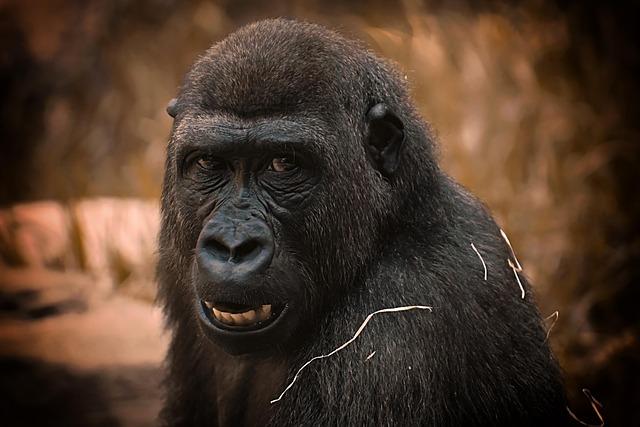
San Antonio Zoo Unveils $65 Million Congo Falls Gorilla Habitat Expansion
The San Antonio Zoo is embarking on a transformative $65 million project to revamp its gorilla enclosure with the introduction of the Congo Falls exhibit. This expansive new habitat is designed to closely replicate the dense rainforests of Central Africa, offering gorillas a more authentic and enriching environment. This initiative represents one of the largest investments in the zoo’s history, emphasizing a strong dedication to animal welfare, conservation, and immersive educational experiences for visitors. Here’s an in-depth look at what this groundbreaking expansion entails.
Reimagining Gorilla Habitats: The Congo Falls Experience
The Congo Falls habitat will dramatically enhance the living conditions for the zoo’s gorillas by providing a spacious, naturalistic setting that encourages social interaction and physical activity. The design incorporates elements that simulate the gorillas’ native ecosystem, including multilayered vegetation, water features, and varied terrain. Visitors will enjoy elevated walkways and panoramic viewing areas that allow close observation without disturbing the animals, alongside interactive educational stations that deepen understanding of gorilla behavior and conservation challenges.
- Increased habitat size to foster natural social behaviors among gorillas
- Cutting-edge veterinary and research facilities to support health monitoring and scientific study
- Climate regulation systems that maintain conditions akin to the Congo rainforest year-round
- Engaging visitor activities including virtual reality experiences and guided tours
| Project Segment | Allocated Budget | Projected Completion |
|---|---|---|
| Habitat Construction | $30 Million | 18 Months |
| Educational Facilities | $15 Million | 12 Months |
| Veterinary & Research Center | $10 Million | 15 Months |
| Visitor Amenities & Walkways | $10 Million | 10 Months |
Innovative Design Prioritizes Sustainability and Immersive Learning
The Congo Falls project integrates sustainable architecture with an emphasis on creating an immersive environment for both gorillas and guests. The habitat features native plant species and energy-saving technologies such as solar panels and rainwater collection systems, reducing the zoo’s environmental impact. Visitors will be enveloped in a sensory-rich setting, complete with natural light, authentic rainforest sounds, and unobstructed views through expansive glass panels and elevated pathways.
- Indoor-outdoor enclosures with precise climate control
- Eco-friendly infrastructure including solar energy and water recycling
- Interactive exhibits focused on conservation education
- Quiet zones designed to minimize stress and provide privacy for gorillas
To promote natural behaviors, the habitat includes climbing structures, varied terrain, and flowing water features that encourage exploration and play. These elements not only improve the gorillas’ quality of life but also serve as educational tools, illustrating their complex social interactions and daily routines. By combining ecological responsibility with innovative design, Congo Falls sets a new benchmark for wildlife exhibits worldwide.
Conservation and Education: A Dual Mission
Experts in wildlife conservation and zoology highlight the Congo Falls exhibit as a vital platform for raising awareness about the plight of western lowland gorillas, whose populations have declined by over 60% in the past 20 years due to habitat destruction and poaching. The immersive habitat allows visitors to witness gorilla behaviors up close, fostering empathy and a deeper understanding of the species’ ecological importance.
Educational components of the expansion include:
- Interactive kiosks explaining gorilla social structures and environmental challenges
- Live virtual sessions with primatologists sharing real-time insights into gorilla care and research
- Hands-on workshops designed for students to cultivate early conservation values
These initiatives aim to inspire visitors and local communities alike to engage actively in wildlife preservation efforts, ensuring the survival of gorillas for future generations.
Community Involvement and Strategic Funding Propel the Project
The success of the Congo Falls expansion relies heavily on robust community participation and diverse funding sources. The San Antonio Zoo has galvanized support through fundraising events, volunteer programs, and partnerships with local businesses and philanthropists. This collaborative approach fosters a shared commitment to biodiversity conservation and enriches the visitor experience.
Key funding and engagement strategies include:
- Corporate sponsorships offering brand exposure during construction and launch events
- Donor recognition programs featuring named installations and exclusive access opportunities
- Digital platforms providing real-time project updates and donation tracking
- Collaborations with educational institutions and nonprofits to expand outreach
| Funding Source | Contribution Range | Community Role |
|---|---|---|
| Corporate Partners | $100,000 – $5 Million | Event sponsorship and brand visibility |
| Individual Donors | $50 – $500,000 | Volunteer support and grassroots advocacy |
| Government Grants | $500,000 – $10 Million | Infrastructure and habitat development |
| Foundations | $25,000 – $3 Million | Conservation and educational programming |
Looking Ahead: A New Era for San Antonio Zoo
The Congo Falls gorilla habitat expansion represents a monumental leap forward in the San Antonio Zoo’s mission to enhance animal care and foster public engagement with wildlife conservation. By replicating the gorillas’ natural environment with cutting-edge facilities and sustainable design, the zoo is setting a precedent for future exhibits. As the project advances toward completion, anticipation builds among residents and visitors eager to experience this innovative sanctuary. Ultimately, Congo Falls will not only elevate the zoo’s status as a conservation leader but also reinforce San Antonio’s commitment to protecting biodiversity and promoting sustainable development.