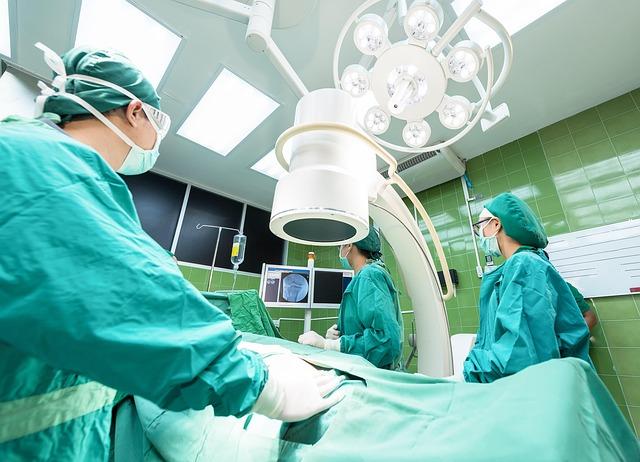
Enhanced Trauma Preparation Boosts Surgical Deployment Readiness
The Air Education and Training Command (AETC) has launched an innovative trauma training initiative aimed at elevating the preparedness of surgical teams prior to deployment. This program is meticulously crafted to provide medical personnel with advanced clinical skills and immersive practical experience, enabling them to effectively manage battlefield injuries and emergencies in challenging, resource-limited settings. Representing a pivotal advancement in military medical readiness, this training ensures surgical teams are fully equipped to navigate the complexities and pressures of deployed medical operations.
Central to this program is a curriculum that accelerates critical clinical decision-making and hones hands-on surgical techniques through realistic, high-fidelity simulations. Participants undergo multidisciplinary exercises that foster rapid patient assessment, clear communication, and flexible surgical responses under combat-like conditions. These rigorous drills simulate the intensity and unpredictability of trauma care in hostile environments, preparing teams to deliver life-saving interventions with confidence and precision.
Cutting-Edge Simulation Tools Create Authentic Combat Trauma Experiences
Modern trauma training has been transformed by the integration of sophisticated simulation technologies that replicate battlefield injuries with remarkable realism. Utilizing programmable mannequins capable of simulating bleeding, airway blockages, and shock, combined with augmented reality overlays and dynamic physiological responses, these simulations immerse surgical teams in scenarios that demand swift, accurate action. This hands-on exposure cultivates essential decision-making skills and resilience, ensuring readiness for the unpredictable nature of combat trauma.
Key elements of the simulation framework include:
- Adaptive Scenario Management: Patient conditions evolve in real-time based on interventions applied, mirroring battlefield unpredictability.
- Integrated Team Roles: Surgeons, nurses, and medics collaborate seamlessly to simulate authentic team dynamics.
- Stress Conditioning: Controlled distractions and chaotic elements enhance focus and mental toughness under pressure.
| Simulation Feature | Functionality | Training Advantage |
|---|---|---|
| High-Fidelity Mannequins | Simulate hemorrhage, airway compromise, and shock states | Provides realistic practice with complex trauma cases |
| Augmented Reality Systems | Overlay anatomical and injury visuals | Improves situational awareness and procedural accuracy |
| Scenario Control Software | Adjusts vital signs dynamically during training | Emulates the fluid and unpredictable nature of combat injuries |
Comprehensive Training on Critical Life-Saving Techniques
The curriculum is strategically designed to arm surgical teams with essential competencies for managing severe trauma in deployment settings. Trainees engage in intensive modules emphasizing swift clinical judgments and mastery of advanced procedures such as emergency thoracotomy, hemorrhage control, and airway management. These skills are reinforced through realistic simulations that replicate the urgency and complexity of battlefield medicine, ensuring teams are prepared to act decisively when every second counts.
Core training components include:
- Hemostatic Techniques: Proficient use of tourniquets and wound packing to control bleeding effectively.
- Damage Control Surgery: Prioritizing stabilization over definitive repair in critically unstable patients.
- Interdisciplinary Coordination: Promoting seamless collaboration among surgeons, medics, and support staff.
| Procedure | Focus Area | Allocated Training Hours |
|---|---|---|
| Emergency Thoracotomy | Chest Trauma Management | 12 |
| Hemorrhage Control | Bleeding Management | 10 |
| Airway Management | Respiratory Support | 8 |
| Damage Control Surgery | Patient Stabilization | 14 |
Advocacy for Expanding Trauma Training Across Military Medical Units
Experts in military medicine and tactical operations are strongly recommending the extension of this trauma training program to a broader range of military medical units. Widening access to this curriculum will promote consistent readiness levels among diverse surgical teams preparing for rapid deployment, thereby improving survival outcomes in austere and high-risk environments. The program’s modular design and emphasis on realistic scenarios make it highly adaptable to the specific needs of various military healthcare settings.
Highlighted advantages of program expansion include:
- Enhanced rapid decision-making capabilities under combat stress.
- Improved interdisciplinary teamwork within surgical and support teams.
- Greater proficiency in critical trauma interventions such as damage control surgery and hemorrhage management.
| Unit Type | Initial Readiness Level | Improvement After Training |
|---|---|---|
| Forward Surgical Teams | High | +15% |
| Combat Support Hospitals | Medium | +25% |
| Mobile Army Surgical Hospitals | Low | +30% |
Conclusion: Strengthening Military Medical Readiness Through Advanced Trauma Training
As the necessity for swift and effective medical intervention in combat zones intensifies, this pioneering trauma training program represents a crucial leap forward in preparing surgical teams for deployment. By combining state-of-the-art skills development with realistic, scenario-based training, the initiative ensures that military medical personnel are equipped to provide exceptional care in life-threatening situations. The Air Education and Training Command’s dedication to enhancing operational readiness not only fortifies military healthcare capabilities but also reaffirms a steadfast commitment to preserving lives on the battlefield and beyond.