
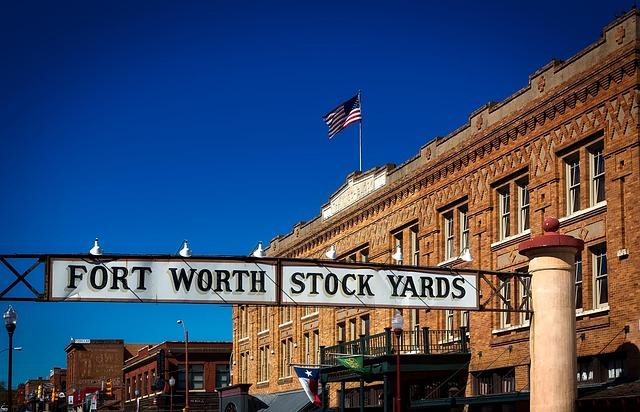
Fort Worth and Arlington: Leading the Way in Urban Safety Excellence
Fort Worth has recently been distinguished as the third safest city in the United States, a testament to its unwavering dedication to public safety and community welfare. Not far behind, Arlington also earned a notable ranking, highlighting the North Texas region’s collective commitment to fostering secure living spaces for both residents and visitors. This recognition, as reported by the Fort Worth Star-Telegram, reflects the impactful collaboration between law enforcement agencies and local communities in cultivating safer neighborhoods.
Understanding Fort Worth’s Ascent in National Safety Rankings
Fort Worth’s rise to the top tier of America’s safest cities is the result of strategic, multifaceted efforts by city officials and community members alike. The city has implemented innovative safety measures, including expanded neighborhood patrols, community policing initiatives, and cutting-edge technology investments, all contributing to a marked decline in crime rates. This partnership between police forces and citizens has nurtured mutual trust and cooperation, which experts identify as a cornerstone of Fort Worth’s success.
Significant progress is evident in areas that previously experienced elevated crime levels, demonstrating the effectiveness of targeted interventions. Comparing crime statistics from 2022 to 2023 reveals substantial reductions across various categories:
| Type of Crime | Percentage Decrease |
|---|---|
| Violent Offenses | -15% |
| Property Crimes | -12% |
| Drug-Related Cases | -18% |
| Youth-Related Violations | -22% |
Beyond enforcement, Fort Worth has amplified community involvement through initiatives such as:
- Citywide Neighborhood Watch expansions
- Mentorship and outreach programs targeting youth
- Educational campaigns on public safety in schools and community centers
These combined efforts have not only improved safety metrics but also enhanced residents’ quality of life, positioning Fort Worth as a national exemplar in urban security.
Core Elements Driving Fort Worth’s Crime Reduction
The city’s impressive safety record is anchored in proactive policing and comprehensive social support systems designed to prevent violence before it occurs. Fort Worth’s police department prioritizes transparency and consistent community engagement, fostering a climate of trust that accelerates crime resolution. Additionally, programs focusing on youth development, education, and mental health access tackle the underlying causes of criminal behavior.
Economic factors also play a pivotal role. Fort Worth’s robust job market and affordable housing options alleviate financial pressures that often correlate with higher crime rates. Collaborative neighborhood watch groups further enhance community vigilance and responsiveness. Key contributors include:
- Community-focused policing and rapid intervention teams
- Extensive youth engagement through schools and nonprofits
- Integrated mental health services within public safety frameworks
- Economic growth fostering stable employment opportunities
- Active neighborhood watch programs promoting resident involvement
| Factor | Contribution to Crime Reduction |
|---|---|
| Community Policing | Enhances trust and encourages reporting of crimes |
| Youth Programs | Deters juvenile delinquency through engagement |
| Mental Health Access | Mitigates incidents linked to untreated psychological issues |
| Economic Stability | Reduces crime driven by financial hardship |
| Neighborhood Watches | Boosts community vigilance and cooperation |
Arlington’s Approach to Strengthening Community Safety
Arlington has made significant strides in public safety through strategic technological upgrades and revitalized community programs. The city has expanded its surveillance infrastructure, incorporating AI-powered analytics to enable faster detection and response to criminal activity. Simultaneously, Arlington has reinvigorated neighborhood watch initiatives, fostering stronger bonds between residents and law enforcement.
Preventative strategies are equally emphasized, with regular safety workshops, youth engagement efforts, and mental health support services addressing the root causes of crime. This collaborative framework, involving police, schools, and community organizations, creates a comprehensive safety net that reinforces Arlington’s reputation as one of Texas’s safest cities.
| Program | Description | Outcome |
|---|---|---|
| Advanced Surveillance | Deployment of AI-enhanced camera systems | Accelerated crime detection and intervention |
| Neighborhood Watch Renewal | Community-led patrols and safety education | Heightened resident engagement |
| Youth Outreach | Connecting at-risk youth with supportive resources | Decline in juvenile offenses |
Strategies to Sustain and Enhance Urban Safety
To maintain and build upon the safety achievements of Fort Worth and Arlington, ongoing collaboration between city officials, law enforcement, and residents is essential. Prioritizing investments in smart surveillance technologies and increasing the presence of well-trained officers can serve as effective deterrents to crime. Encouraging community policing and expanding neighborhood watch programs foster trust and collective vigilance, empowering citizens to actively participate in safeguarding their neighborhoods.
Addressing socio-economic contributors to crime remains equally critical. Expanding youth outreach, improving public lighting in vulnerable areas, and enhancing mental health services can prevent incidents before they arise. The following table outlines focal points and recommended actions to further strengthen urban safety:
| Focus Area | Suggested Initiatives |
|---|---|
| Community Involvement | Neighborhood Watch Programs, Public Safety Forums |
| Technological Enhancements | AI-Driven Surveillance, Real-Time Crime Reporting |
| Infrastructure Improvements | Enhanced Street Lighting, Secure Transit Zones |
| Social Support Services | Expanded Youth Programs, Accessible Mental Health Care |
Summary
Fort Worth’s recognition as the third safest city in the nation, closely followed by Arlington, highlights the region’s effective blend of law enforcement innovation and community partnership. These cities exemplify how comprehensive safety strategies, combining technology, social programs, and resident engagement, can create secure and thriving urban environments. Their continued commitment to these principles positions them as national leaders in public safety and models for other cities to emulate.