USS Thomas Hudner Bolsters Maritime Security at U.S. Southern Command
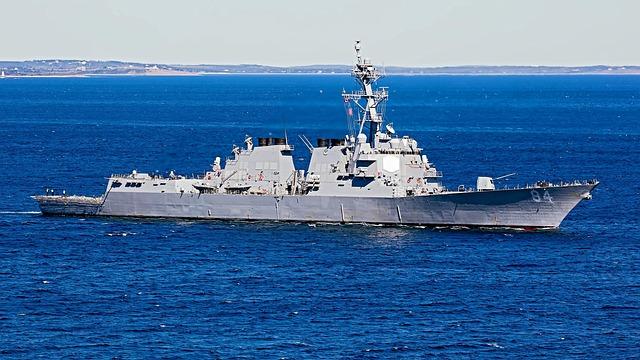
The guided-missile destroyer USS Thomas Hudner (DDG-116) has recently been deployed to the U.S. Southern Command (SOUTHCOM), marking a significant upgrade in naval capabilities across Central and South America. This deployment highlights the U.S. Navy’s dedication to reinforcing regional security, enhancing cooperative partnerships, and supporting stability in the Western Hemisphere amid ongoing challenges such as transnational crime and disaster response.
Strategic Maritime Reinforcement in the Americas
The arrival of the USS Thomas Hudner represents a pivotal step in expanding maritime security operations within SOUTHCOM’s jurisdiction. Equipped with the state-of-the-art Aegis Combat System, this Arleigh Burke-class destroyer is prepared to undertake diverse missions, including counter-narcotics patrols, multinational naval exercises, and humanitarian aid deployments throughout the Caribbean basin and Latin America.
Key objectives of this deployment include:
- Deepening regional alliances: Collaborating with allied naval forces to enhance collective defense and security frameworks.
- Improving maritime surveillance: Conducting persistent patrols to intercept illegal trafficking and safeguard maritime borders.
- Facilitating disaster relief: Ensuring rapid response capabilities to assist coastal communities vulnerable to hurricanes and other natural calamities.
These initiatives align with a comprehensive strategy aimed at securing vital sea lanes and supporting the national security interests of the United States and its partners in the region.
Advanced Capabilities Elevate Regional Security Operations
The USS Thomas Hudner significantly amplifies SOUTHCOM’s operational effectiveness through its cutting-edge technology and tactical versatility. Its Aegis Combat System enables instantaneous detection and engagement of aerial threats, while enhanced sonar arrays improve anti-submarine warfare capabilities. The destroyer’s sophisticated electronic warfare and cyber defense systems provide robust protection against emerging digital threats, ensuring resilient maritime operations.
Notable technological advantages include:
- Integrated Air and Missile Defense for rapid threat neutralization
- Advanced sonar systems for superior underwater threat detection
- Expanded cyber defense and electronic warfare suites
- Enhanced logistical support enabling extended deployments
| Capability | Contribution to Regional Security |
|---|---|
| Aegis Combat System | Enables swift identification and interception of airborne threats |
| Sonar Technology | Improves detection and tracking of submarines |
| Cyber Defense Mechanisms | Safeguards against electronic and cyber attacks |
| Extended Mission Support | Allows for prolonged operations with minimal resupply |
Joint Training Exercises with Latin American Naval Forces
Demonstrating a strong commitment to regional cooperation, the USS Thomas Hudner has actively participated in joint training programs with several Latin American navies. These exercises focus on enhancing interoperability through coordinated tactical drills, anti-submarine warfare training, and maritime domain awareness operations. Such collaborations are vital for improving collective readiness against threats like drug trafficking, piracy, and natural disasters.
Core elements of these training initiatives include:
- Multinational live-fire drills to sharpen combat readiness
- Exchange of expertise in search and rescue missions
- Workshops on cybersecurity and secure communications
- Simulated maritime interdiction operations to disrupt illicit activities
| Partner Navy | Training Focus | Duration |
|---|---|---|
| Argentine Navy | Surface Combat Tactics | 6 days |
| Mexican Navy | Anti-Submarine Warfare | 4 days |
| Chilean Navy | Search and Rescue Operations | 3 days |
Strategies for Sustained Naval Presence and Future Engagements
To ensure a persistent and effective naval footprint in the Caribbean and adjacent waters, integrating assets across multiple domains is essential. Coordinated operations involving surface ships, submarines, and maritime patrol aircraft enhance situational awareness and operational flexibility. Strengthening logistical frameworks through strategically located forward supply hubs is critical for maintaining mission endurance without frequent interruptions.
Embracing technological advancements is equally important. The deployment of unmanned surface and underwater vehicles, alongside robust cyber defense systems, will be key to countering evolving threats. Additionally, investing in comprehensive crew training programs focused on resilience and extended mission readiness will sustain operational effectiveness under demanding conditions. The following table summarizes priority areas and recommended actions for future naval operations in the region:
| Priority Area | Recommended Measures |
|---|---|
| Interoperability | Standardize communications and conduct regular joint exercises |
| Logistics | Develop additional forward supply bases and streamline replenishment processes |
| Technology | Integrate unmanned maritime systems and enhance cyber defenses |
| Training | Implement extended mission readiness and resilience programs |
| Cybersecurity | Maintain continuous threat monitoring and strengthen electronic warfare capabilities |
Looking Ahead: Sustaining Regional Stability and Security
The deployment of the USS Thomas Hudner to U.S. Southern Command reaffirms the U.S. Navy’s ongoing dedication to preserving peace and security throughout the Western Hemisphere. As the newest addition to SOUTHCOM’s fleet, this destroyer is expected to play a crucial role in enhancing maritime operations, fostering stronger alliances, and deterring illicit activities. This strategic move aligns with broader U.S. priorities focused on crisis response, regional cooperation, and safeguarding critical maritime corridors. Continued monitoring of the USS Thomas Hudner’s activities will provide valuable insights into the evolving security landscape in the Americas.