


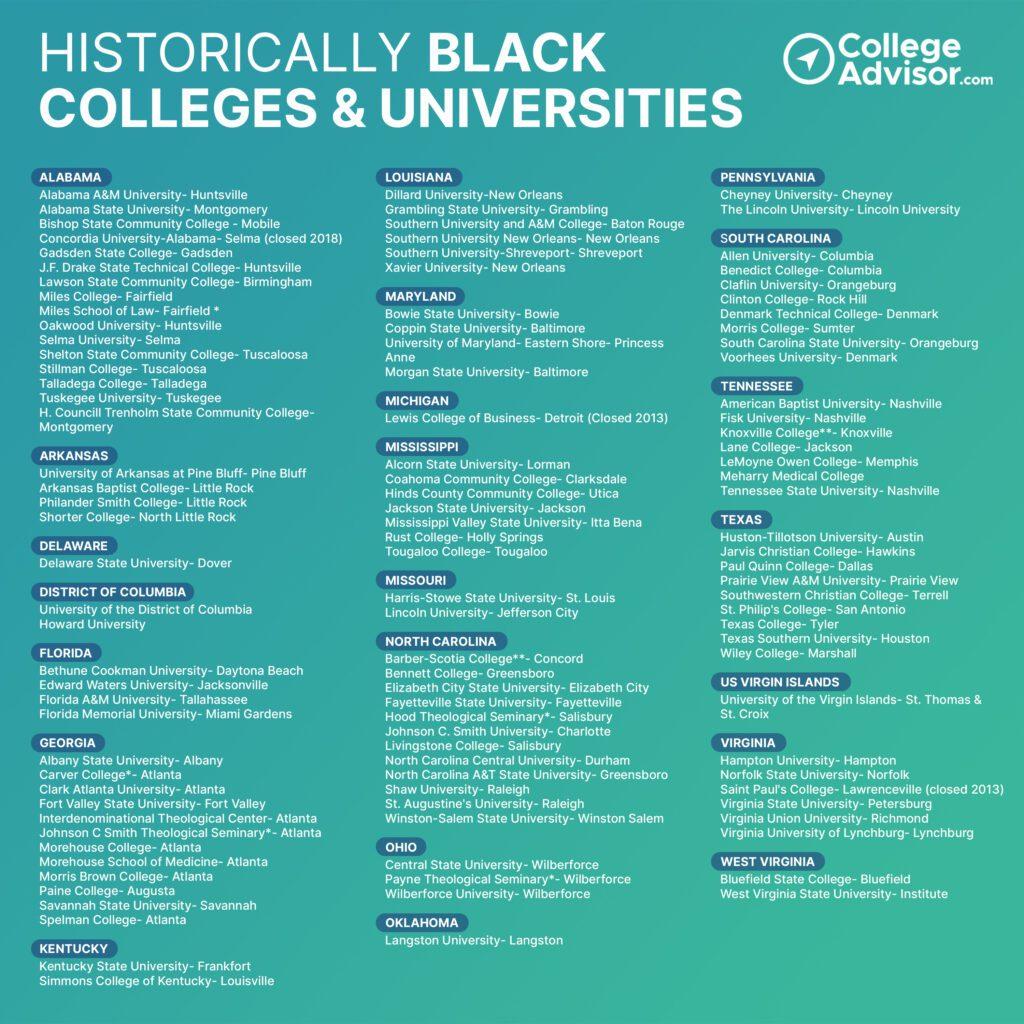
Historically Black colleges and universities (HBCUs) have long played a crucial role in American higher education, providing access and opportunity to generations of Black students. A recent report from the Pew Research Center offers a comprehensive look at these institutions, highlighting their impact, enrollment trends, and ongoing challenges. As the nation grapples with questions of equity and inclusion, the data sheds light on the evolving landscape of HBCUs and their significance in today’s educational and social climate.
The Enduring Legacy of Historically Black Colleges and Universities in American Education
Historically Black Colleges and Universities (HBCUs) have played a crucial role in shaping the landscape of American education, serving as beacons of opportunity and cultural pride for generations. These institutions were founded during an era of segregation, yet they have evolved into vibrant centers of innovation, leadership, and academic excellence. Today, HBCUs continue to foster empowerment by providing students with culturally affirming environments that champion both social justice and intellectual rigor.
Beyond their educational mission, HBCUs have been instrumental in producing leaders across multiple fields, including politics, science, arts, and civil rights advocacy. Their legacy is reflected in the enduring impact on communities and the nation at large. Key contributions include:
- Graduating a disproportionate number of Black professionals in medicine, education, and engineering.
- Serving as cultural hubs that preserve African American heritage and history.
- Driving economic growth in underserved regions through local partnerships and innovation.
| HBCU | Year Established | Annual Enrollment | Notable Alum |
|---|---|---|---|
| Howard University | 1867 | 10,200 | Thurgood Marshall |
| Spelman College | 1881 | 2,100 | Alice Walker |
| Florida A&M University | 1887 | 9,500 | Alonzo Mourning |
Student Demographics and Graduation Trends at Historically Black Colleges and Universities
Historically Black Colleges and Universities (HBCUs) continue to play a pivotal role in nurturing diverse student populations, with enrollment figures reflecting a broad range of backgrounds. While the majority of students at these institutions are African American, there’s a growing representation of other demographics that highlights the expanding appeal of HBCUs nationwide. Many of these students come from first-generation college backgrounds, emphasizing the importance of these institutions in promoting educational access and social mobility.
Graduation rates at HBCUs have shown significant improvement over the past decade, fueled by increased institutional support and targeted programs aimed at student retention. As these colleges advance, the following trends stand out:
- Rising graduation rates: Some HBCUs report up to a 15% increase in six-year graduation rates since 2010.
- STEM field prominence: A notable surge in graduates within science, technology, engineering, and mathematics disciplines.
- Transfer student impact: Greater inclusion of transfer students who are contributing to higher completion rates.
| Year | Average Graduation Rate (%) | STEM Graduates (%) |
|---|---|---|
| 2010 | 42 | 18 |
| 2015 | 48 | 25 |
| 2020 | 55 | 33 |
Challenges Facing Historically Black Colleges and Universities Amid Funding Shifts
Historically Black Colleges and Universities (HBCUs) are grappling with significant financial hurdles that threaten their future viability. Shifts in federal and state funding have created an uneven playing field, forcing many institutions to stretch limited resources while trying to maintain academic excellence and campus infrastructure. These funding challenges are compounded by declining enrollment rates, as prospective students increasingly consider larger, well-funded universities with broader program offerings.
Key issues contributing to these challenges include:
- Inconsistent allocation of appropriations compared to predominantly white institutions.
- Limited access to private endowments and philanthropic support.
- Rising operational costs without proportional increases in state or federal aid.
- Pressure to update technology and facilities to remain competitive in higher education.
| Funding Source | Annual Amount (in millions) | Change Since 2010 |
|---|---|---|
| Federal Grants | $450 | +5% |
| State Appropriations | $600 | -15% |
| Private Donations | $200 | +2% |
Policy Recommendations to Strengthen Historically Black Colleges and Universities for Future Generations
To ensure the longevity and success of historically Black colleges and universities (HBCUs), federal and state policymakers must prioritize sustainable investment strategies. This includes increasing direct funding to enhance campus infrastructure, expand research capabilities, and bolster student services that address the unique socioeconomic challenges faced by HBCU communities. Moreover, incentivizing partnerships between HBCUs and private sector leaders can catalyze career development opportunities for students and foster innovation ecosystems that empower faculty and alumni alike.
Key policy actions should emphasize:
- Equitable allocation of Pell Grant funds that directly benefits low-income students attending HBCUs.
- Support for culturally relevant curricula and initiatives that preserve the institutions’ historical legacies.
- Expanded federal research grants targeting fields where HBCUs demonstrate emerging strengths.
- Implementation of mentorship programs linking HBCU students with industry veterans and academic leaders.
| Policy Area | Recommended Action | Expected Impact |
|---|---|---|
| Funding | Increase federal appropriations by 20% | Improved facilities and student retention |
| Curriculum Development | Support STEM programs tailored to HBCUs | Higher graduate employability rates |
| Partnerships | Facilitate collaborations with tech firms | Enhanced internship pipelines |
Key Takeaways
As historically Black colleges and universities continue to play a vital role in American higher education, understanding their impact and challenges remains essential. The Pew Research Center’s insights highlight not only the enduring legacy of these institutions but also the evolving landscape they navigate today. With a commitment to academic excellence and cultural empowerment, HBCUs stand as pillars of opportunity and resilience, shaping future generations across the nation.


