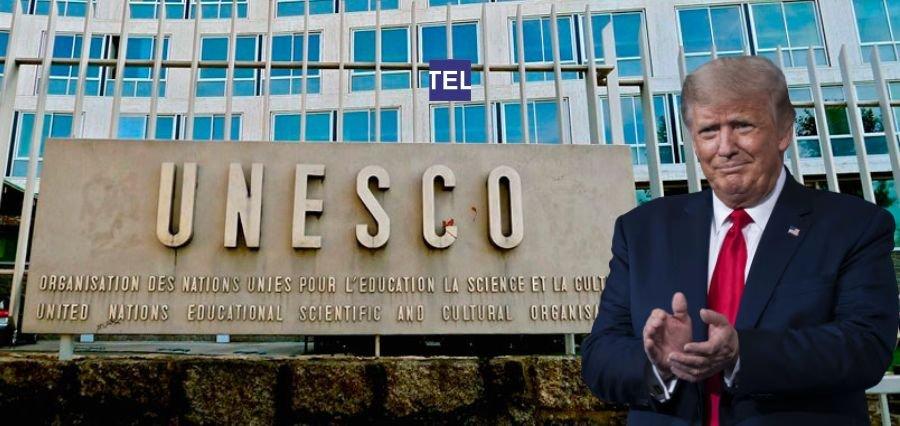
US Withdrawal from UNESCO: Implications for Global Science and Cultural Collaboration
How the US Departure Disrupts International Scientific Alliances
The recent decision by the United States to exit UNESCO represents a major obstacle to global scientific cooperation. For over half a century, UNESCO has served as a vital forum where countries unite to tackle worldwide issues such as climate resilience, biodiversity conservation, and sustainable development. By stepping away, the US risks losing access to essential scientific networks and data-sharing platforms, potentially isolating American researchers from multinational initiatives that drive innovation and discovery. This move threatens to unravel years of trust and collaborative momentum that have been instrumental in advancing science on a global scale.
Beyond the scientific realm, the withdrawal also jeopardizes educational exchanges and cultural preservation efforts. Key consequences include:
- Decline in collaborative funding: Reduced pooling of resources for groundbreaking research projects.
- Fewer international exchange opportunities: Limited cross-border collaboration for scientists and educators.
- Restricted access to global datasets: Challenges in obtaining comprehensive environmental and cultural information.
The contrast in US involvement before and after the withdrawal is stark:
| Aspect | Before Withdrawal | After Withdrawal |
|---|---|---|
| Participation in UNESCO Scientific Projects | Active and Leading | Minimal or None |
| Financial Contributions | Significant | Zero |
| Access to UNESCO Research Data | Unrestricted | Limited |
Consequences for Cultural Heritage and Global Cooperation
The US exit from UNESCO poses a serious threat to the protection and conservation of cultural heritage worldwide. UNESCO’s World Heritage program has been instrumental in safeguarding sites endangered by war, environmental degradation, and urban expansion. Without active US involvement, there is a risk of diminished funding, less exchange of expertise, and reduced diplomatic influence in international cultural policy-making. This could slow or even reverse progress in preserving invaluable cultural landmarks and traditions. Programs that promote intangible cultural heritage and support indigenous knowledge systems are particularly vulnerable without the collaborative framework that the US helped sustain.
- Funding Deficits: The reduction in US financial support may strain UNESCO’s ability to maintain preservation projects globally.
- Lower Diplomatic Engagement: Decreased US participation could weaken international consensus-building on cultural protection.
- Impact on Science-Culture Synergy: The loss of a key partner in integrating scientific methods with cultural conservation efforts may hinder sustainable preservation technologies.
| Focus Area | Likely Impact | Illustrative Example |
|---|---|---|
| Financial Support | Funding shortages for projects | Maintenance of UNESCO World Heritage Sites |
| Knowledge Exchange | Reduced sharing of expertise | Development of restoration techniques |
| Policy Influence | Weakened global cultural policies | Combatting illicit trafficking of artifacts |
Expert Analysis: Risks to Multilateral Scientific and Cultural Collaboration
Authorities in international diplomacy and scientific cooperation warn that the US withdrawal from UNESCO undermines decades of progress in fostering global partnerships. Multilateral organizations like UNESCO are essential for facilitating cross-border collaboration in science, education, and cultural preservation, enabling countries to collectively address urgent global challenges. Experts caution that retreating from such platforms erodes the trust and cooperative frameworks painstakingly established, potentially isolating the US from critical dialogues on climate action, heritage protection, and innovation.
The practical consequences extend beyond symbolic gestures, affecting tangible outcomes reliant on shared expertise and pooled resources. Analysts highlight several risks:
- Loss of access to international research consortia and joint funding opportunities.
- Weakened protection efforts for cultural sites threatened by conflict and environmental hazards.
- Reduced influence in shaping global education and scientific standards.
This move may also encourage other nations to reconsider their commitments, potentially destabilizing the multilateral system that underpins global scientific advancement and cultural diplomacy.
| Domain | Potential Effect | Level of Concern |
|---|---|---|
| Scientific Collaboration | Disruption of cooperative networks | High |
| Cultural Heritage Protection | Reduced safeguarding efforts | Moderate |
| Global Policy Influence | Decline in diplomatic leverage | High |
Advocating for Reengagement: Strengthening Global Science and Culture Partnerships
The US decision to leave UNESCO has ignited calls from the scientific and cultural sectors worldwide to reconsider and renew engagement. Experts argue that maintaining open channels for international cooperation is crucial to sustaining progress on pressing issues such as climate science, heritage conservation, and equitable education. Collaborative innovation and knowledge exchange remain indispensable tools for addressing complex global challenges.
Key priorities emphasized by advocates for continued partnership include:
- Promoting interdisciplinary research to tackle environmental crises and public health emergencies.
- Safeguarding cultural monuments and traditions that embody humanity’s shared history.
- Ensuring inclusive access to quality education across diverse populations.
- Enhancing policy frameworks aligned with sustainable development goals.
Final Thoughts
The United States’ withdrawal from UNESCO represents a considerable challenge to the fabric of international cooperation in science and culture. Historically a major contributor, the US has played a crucial role in advancing global research, protecting cultural heritage, and fostering international dialogue. This departure diminishes America’s ability to influence global standards and initiatives, while risking isolation from collaborative efforts essential to solving worldwide problems. Moving forward, it is imperative for all stakeholders to prioritize open communication and partnership to ensure that scientific innovation and cultural understanding continue to flourish on a global stage.