
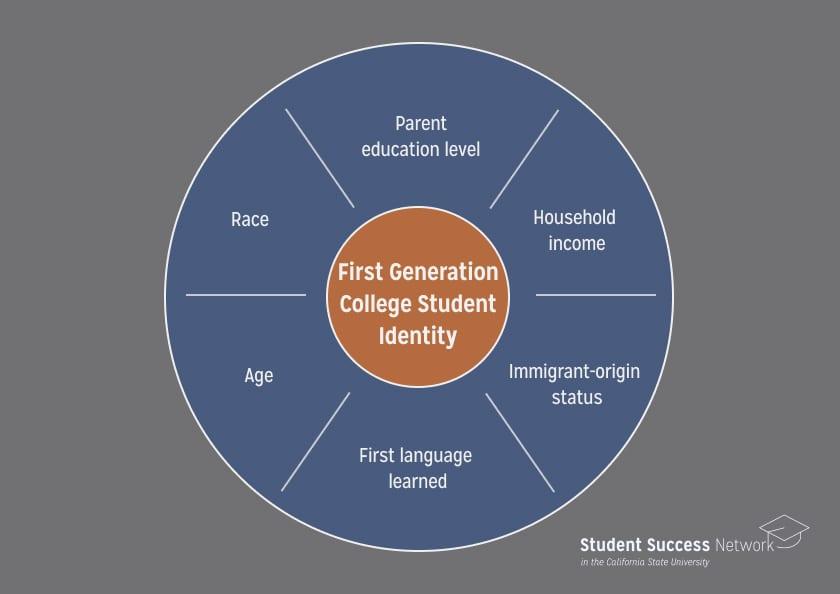
Clarifying the Definition of First-Generation College Students in California’s Higher Education
Understanding the Varied Interpretations of First-Generation Status
California’s higher education system, known for its diversity and scale, faces a persistent challenge: defining who qualifies as a first-generation college student. This designation plays a crucial role in shaping institutional policies, directing resources, and fostering student achievement. However, colleges and universities across the state apply differing standards—some identify first-generation students as those whose parents never attended any college, while others broaden the scope to include students whose parents attended college but did not earn a degree. This inconsistency complicates efforts to provide equitable support and creates uncertainty for students navigating available programs.
How California Institutions Define First-Generation Students: A Comparative Overview
Across the spectrum of California’s public higher education—from community colleges to research universities—definitions of first-generation status vary significantly. These differences influence eligibility for support services and funding, impacting student success outcomes.
| Type of Institution | Definition Criteria | Available Support Services |
|---|---|---|
| Community Colleges | Neither parent holds a college degree | Peer Mentoring, Financial Literacy Workshops |
| California State University (CSU) System | Parents have not completed a bachelor’s degree | Academic Counseling, Transfer Support |
| University of California (UC) Campuses | Parents lack any postsecondary credential | Scholarships, Graduation Support Programs |
These divergent definitions lead to mixed messaging and uneven resource distribution, underscoring the need for a cohesive statewide approach to better serve this vital student demographic.
Challenges Arising from Inconsistent Criteria in Support Services
The lack of a standardized definition for first-generation students complicates the delivery of support programs designed to address their unique academic and financial hurdles. Some institutions consider only students whose parents never attended college, while others include those whose parents have some college experience but no degree. This disparity creates confusion for students seeking assistance and hampers program effectiveness.
Key areas of variation include:
- Whether one or both parents’ educational backgrounds are evaluated
- Inclusion of legal guardians versus biological parents
- Recognition of international educational credentials
- Differences in documentation required to verify first-generation status
| Institution Type | Definition of First-Generation | Effect on Program Eligibility |
|---|---|---|
| Community Colleges | Parents have no education beyond high school | Broad eligibility, higher student inclusion |
| CSU Campuses | Parents never attended college | Moderate eligibility, some students excluded |
| UC Campuses | Parents lack a four-year degree | More restrictive, fewer students qualify |
How Definition Variability Influences Funding and Resource Allocation
The absence of a unified first-generation student definition directly affects how financial aid, scholarships, and support services are distributed across California’s colleges and universities. Without consistent criteria, some students who need assistance may be overlooked, while others might receive benefits not intended for their circumstances. This inconsistency also impacts the availability of critical services such as academic advising, mental health support, and career guidance tailored to first-generation students.
Advocates highlight that a standardized definition could unlock greater access to state and federal funding streams dedicated to supporting these students. The table below illustrates how different definitions affect resource reach and program availability:
| Definition Criterion | Access to Special Funding | Scope of Support Programs | Estimated Student Coverage |
|---|---|---|---|
| Neither parent holds a bachelor’s degree | Yes | Comprehensive | Approximately 25% |
| First in immediate family to attend college | Partial | Moderate | About 38% |
| Parents have some college but no degree | No | Limited | Roughly 15% |
- Financial aid eligibility fluctuates significantly depending on institutional policies.
- Program participation rates and student retention are influenced by eligibility criteria.
- Resource distribution often fails to reach all students facing systemic educational barriers.
Advocating for a Unified Definition to Enhance Equity and Policy Effectiveness
The fragmented approach to defining first-generation college students has prompted calls from educators, policymakers, and advocacy organizations for a standardized statewide definition. Inconsistent criteria hinder the development of targeted support programs and complicate the collection of accurate data necessary for informed policy decisions. For example, some institutions classify first-generation status based on any parental college attendance, while others focus solely on the absence of a bachelor’s degree or higher.
Experts recommend that a comprehensive definition should include:
- Parental education level up to and including bachelor’s degree attainment
- Consideration of socioeconomic factors within the student’s household
- Flexibility to accommodate diverse family educational backgrounds, including international credentials
| Existing Definitions | Example Institution or Entity |
|---|---|
| Parents with no college experience | Example: Pacific State University |
| Parents without bachelor’s degrees | Example: Northern California College |
| First in family to pursue postsecondary education | Example: California State Education Board |
Implementing a clear, consistent definition would ensure equitable access to academic advising, financial aid, and other critical resources, ultimately improving student outcomes and enabling more effective statewide policy development.
Conclusion: Moving Toward Clarity and Equity for First-Generation Students
The ongoing debate over the definition of first-generation college students highlights broader challenges in California’s efforts to promote educational equity. Without a unified standard, students may face barriers to accessing essential support services, and institutions may struggle to allocate resources effectively. To truly empower first-generation students—who represent a significant and growing portion of California’s college population—stakeholders must collaborate to establish a clear, inclusive definition. This foundational step will help ensure that policies and programs designed to support these students are both fair and impactful, fostering greater success across the state’s diverse higher education landscape.