San Antonio’s Air Pollution Under Scrutiny in Recent National Report
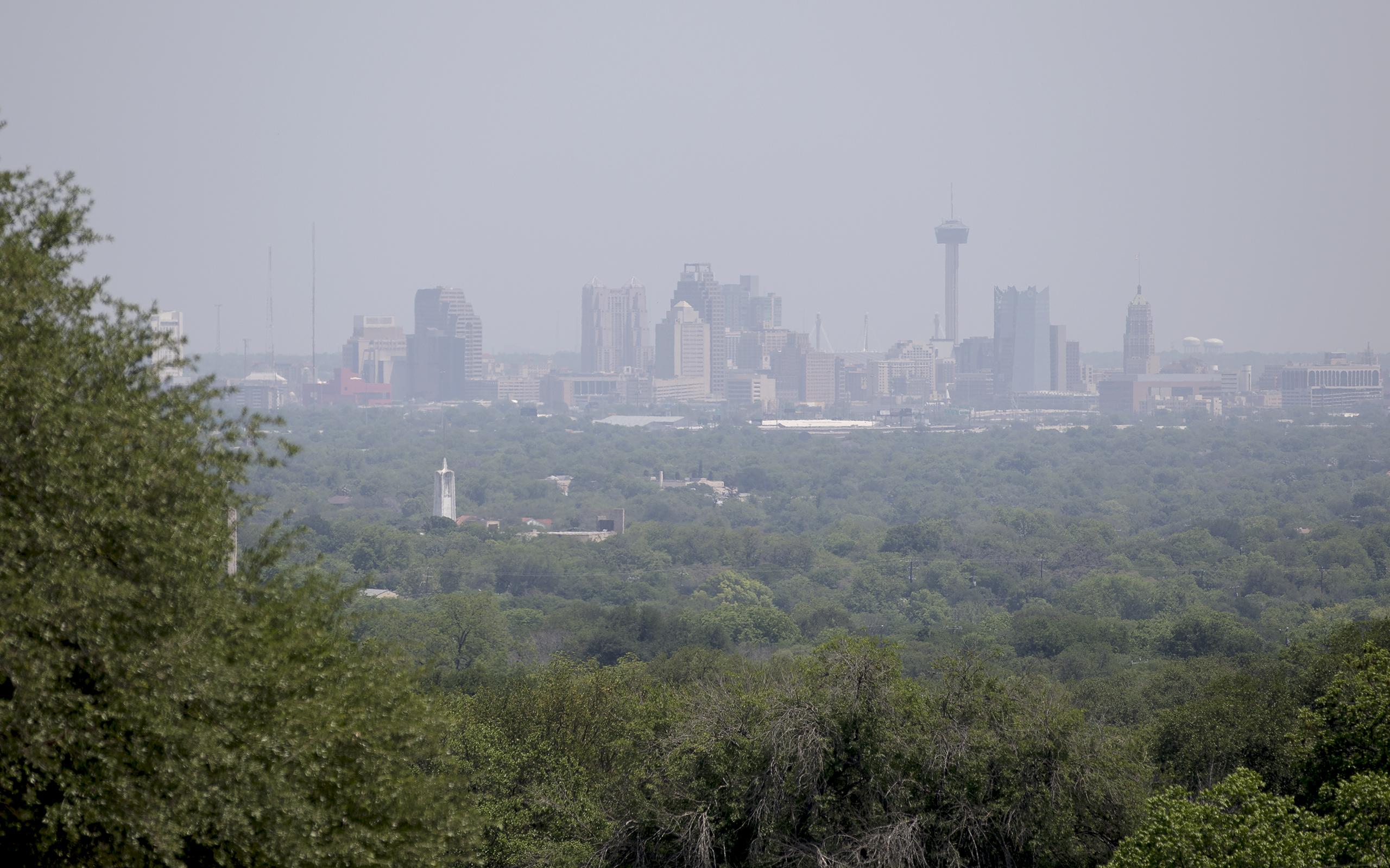
A recent comprehensive national evaluation has brought to light that air quality in the San Antonio metropolitan area falls short of federally mandated health benchmarks. This revelation raises significant alarms regarding environmental integrity and public health safety within the region. The report identifies a troubling upward trend in pollutant concentrations, signaling an urgent need for proactive interventions to protect the community’s well-being. San Antonio now joins a growing list of American cities confronting persistent air pollution challenges, reflecting a broader national struggle to maintain clean air.
Primary contributors to the deteriorating air quality include:
- Rising emissions from an expanding vehicle population
- Industrial operations in and around the city limits
- Climatic conditions that inhibit pollutant dispersion
| Pollutant | Measured Average | Federal Standard | Compliance Status |
|---|---|---|---|
| Ozone (ppm) | 0.078 | 0.070 | Exceeds Limit |
| PM2.5 (µg/m³) | 14.1 | 12.0 | Exceeds Limit |
| Nitrogen Dioxide (ppb) | 29 | 53 | Within Limit |
Health Risks Associated with San Antonio Air Pollution
Exposure to elevated levels of air contaminants in San Antonio is increasingly linked to a rise in respiratory and cardiovascular ailments among residents. Persistent inhalation of pollutants such as fine particulate matter and ground-level ozone aggravates chronic respiratory diseases including asthma, bronchitis, and chronic obstructive pulmonary disease (COPD). Vulnerable populations—namely children, seniors, and those with underlying health conditions—are disproportionately affected, often experiencing more frequent hospital admissions and diminished quality of life. Health authorities recommend that residents stay informed about air quality indices, minimize outdoor exertion during high pollution episodes, and utilize indoor air filtration systems when feasible.
Notable health concerns stemming from poor air quality include:
- Elevated risk of heart-related illnesses
- Increased frequency of asthma exacerbations in youth
- Heightened vulnerability to respiratory infections
- Compromised immune system performance
| Condition | Impact on Population | Most Affected Groups |
|---|---|---|
| Asthma | Increased attacks and emergency visits | Children, elderly |
| COPD | Decline in lung capacity and breathing difficulties | Adults with chronic respiratory issues |
| Cardiovascular Disease | Greater incidence of heart attacks and strokes | All demographics |
Underlying Causes of Air Quality Degradation in San Antonio
The recent findings attribute San Antonio’s air pollution woes to a combination of anthropogenic and natural factors. Industrial emissions remain a dominant source, with numerous factories and processing plants releasing significant quantities of harmful substances daily. The city’s topography, featuring low-lying basins and limited airflow corridors, often traps pollutants close to the ground, intensifying smog formation. Additionally, rapid urban expansion has led to increased traffic congestion, elevating emissions of nitrogen oxides and volatile organic compounds—key ingredients in ozone creation.
- Transportation emissions: Mainly from private vehicles and commercial freight trucks.
- Power generation: Heavy dependence on fossil fuel-based electricity production.
- Construction activities: Release of dust and particulate matter from ongoing developments.
- Meteorological influences: Stagnant air conditions that limit pollutant dispersion.
Below is a breakdown of estimated pollution contributions by source, illustrating the scale of each factor’s impact on regional air quality:
| Pollution Source | Approximate Contribution (%) |
|---|---|
| Industrial Output | 40% |
| Vehicle Emissions | 28% |
| Electricity Generation | 17% |
| Construction Dust | 10% |
| Miscellaneous Sources | 5% |
Strategies for Enhancing Air Quality in San Antonio
Addressing San Antonio’s air pollution crisis requires a unified effort between policymakers, industry stakeholders, and the community. Experts advocate for rigorous enforcement of emission standards alongside urban development plans that integrate green infrastructure and promote sustainable mobility options. Expanding public transportation networks, creating dedicated cycling paths, and restricting industrial emissions near residential neighborhoods are pivotal steps toward cleaner air.
Recommended policy initiatives include:
- Implementing tougher emission caps for manufacturing facilities and motor vehicles to meet or exceed federal air quality guidelines
- Boosting investments in clean energy technologies such as solar and wind to reduce fossil fuel dependency
- Launching educational campaigns to raise public awareness about pollution prevention and personal health protection measures
| Initiative | Focus Area | Projected Outcome |
|---|---|---|
| Comprehensive Industrial Emission Monitoring | Regulatory Compliance | Reduce airborne pollutants by 25% |
| Expansion of Public Transit Systems | Transportation Infrastructure | Lower vehicle emissions by 15% |
| Urban Reforestation and Green Space Development | City Planning and Environment | Enhance air purification and public health |
Conclusion: The Path Forward for San Antonio’s Air Quality
The latest national assessment underscores the persistent air quality challenges facing San Antonio, emphasizing the critical need for ongoing surveillance and decisive action by local authorities and community members. As the city confronts the health and ecological repercussions of pollution, collaborative efforts to implement effective mitigation strategies are more vital than ever. This report serves as a compelling call to action, reminding all stakeholders that safeguarding air quality demands sustained dedication and innovative solutions to ensure a healthier future for San Antonio’s residents.