
San Antonio Floods of June 12: A Comprehensive Review of Causes, Impact, and Future Preparedness
Overview of the June 12 Flooding and Its Immediate Aftermath
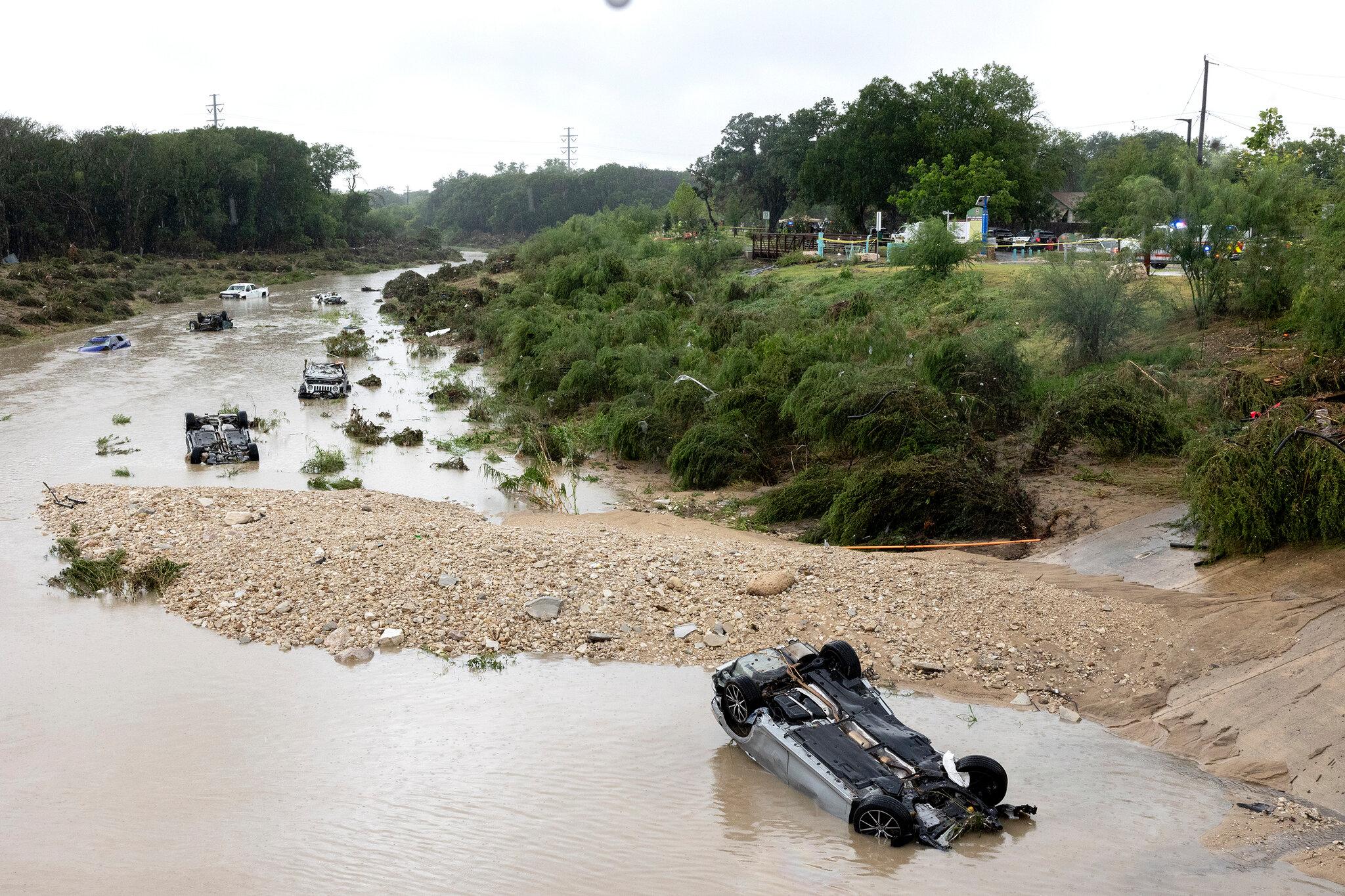
On June 12, San Antonio, Texas, experienced catastrophic flooding that profoundly affected the city and its residents. Intense rainfall led to sudden flash floods that inundated numerous neighborhoods, overwhelming the city’s drainage infrastructure and submerging homes, vehicles, and streets. Emergency responders faced immense challenges as they scrambled to rescue individuals trapped by the rapidly rising waters. Tragically, the floods resulted in 13 fatalities, marking one of the deadliest natural disasters in San Antonio’s recent history. Meanwhile, local shelters quickly reached capacity, providing refuge for hundreds of displaced families as officials mobilized to evaluate the extensive damage.
Key immediate consequences of the flooding included:
- Severe damage to residential and commercial properties, with hundreds affected.
- Widespread transportation disruptions due to flooded and closed roadways.
- Power outages impacting approximately 7,000 households.
- Interruption of water supply services, raising public health concerns over contamination.
| Category | Details | Current Status |
|---|---|---|
| Fatalities | 13 confirmed deaths | Investigations ongoing |
| Displaced Individuals | More than 250 families | Temporary shelters operational |
| Road Closures | Over 15 major routes affected | Partial reopenings underway |
| Power Interruptions | Approximately 7,000 customers | Restoration in progress |
Coordinated Emergency Response and Rescue Operations
As floodwaters surged on June 12, San Antonio’s emergency teams launched immediate rescue and relief operations. Firefighters, police officers, and specialized swift-water rescue units collaborated to locate and evacuate residents stranded by the flooding. Helicopter airlifts were crucial in extracting individuals from rooftops and isolated areas, while high-water vehicles navigated submerged streets to reach those unable to evacuate independently. The city’s coordination with volunteer groups ensured that vulnerable populations received timely assistance.
Highlights of the emergency response included:
- Continuous search and rescue missions operating around the clock.
- Establishment of emergency shelters to house displaced residents.
- Deployment of medical teams providing urgent care at key locations.
- Public safety campaigns disseminating evacuation instructions and safety tips.
| Agency | Function | Resources Utilized |
|---|---|---|
| San Antonio Fire Department | Water rescues and evacuations | 5 rescue boats, 3 helicopters |
| Police Department | Traffic management and safety enforcement | 20 patrol units |
| Medical Teams | On-site emergency medical care | 4 mobile clinics |
| Volunteer Organizations | Distribution of relief supplies and shelter support | 150+ volunteers |
Weather Dynamics Behind the Intense Rainfall
In the days preceding the flood, meteorologists identified a combination of atmospheric conditions that culminated in the extreme rainfall over San Antonio. A persistent atmospheric river—a concentrated stream of moisture—channeled humid air from the Gulf of Mexico into the region. This moisture influx was intensified by a stationary frontal boundary that lingered over the area, causing continuous uplift and sustained precipitation. Additionally, elevated surface temperatures contributed to increased atmospheric instability, fueling powerful storm development.
Primary meteorological contributors included:
- A strong low-pressure system directing moisture inland.
- A slow-moving stationary front producing repeated thunderstorms.
- Urban heat island effects amplifying local convection.
- Topographical features funneling storm cells repeatedly over the city.
| Weather Phenomenon | Impact on Flooding | Duration |
|---|---|---|
| Atmospheric River | Continuous moisture supply | Over 48 hours |
| Stationary Front | Persistent thunderstorms | More than 24 hours |
| Elevated Surface Temperatures | Enhanced storm intensity | Prior to and during event |
Strategies for Flood Prevention and Community Safety
In light of the devastating floods, city planners and emergency officials stress the importance of bolstering infrastructure to reduce future flood risks. Upgrading drainage networks and constructing flood barriers are critical steps to limit water accumulation in flood-prone neighborhoods. Additionally, elevating key roadways and essential facilities can help maintain access and services during severe weather events.
Enhancing community preparedness is equally vital. Recommended measures include:
- Developing and regularly practicing clear evacuation plans.
- Implementing advanced early warning systems with real-time flood notifications.
- Encouraging residents to assemble emergency kits and stay updated via official communication channels.
| Preventative Action | Anticipated Benefit |
|---|---|
| Modernized Drainage Infrastructure | Minimized urban flooding |
| Construction of Flood Barriers | Protection of residential zones |
| Community Drills and Education Programs | Improved evacuation efficiency |
| Real-Time Flood Alert Systems | Enhanced emergency response |
Reflecting on the Disaster and Moving Forward
As San Antonio embarks on the path to recovery following the June 12 floods that claimed 13 lives, the community and officials face critical questions about disaster readiness and response effectiveness. Investigations into the flood’s causes and impacts continue, while support networks strive to assist those affected. This calamity underscores the urgent necessity for robust flood mitigation strategies and heightened community resilience in the face of increasingly severe weather events. Ongoing coverage will provide updates as new information emerges.