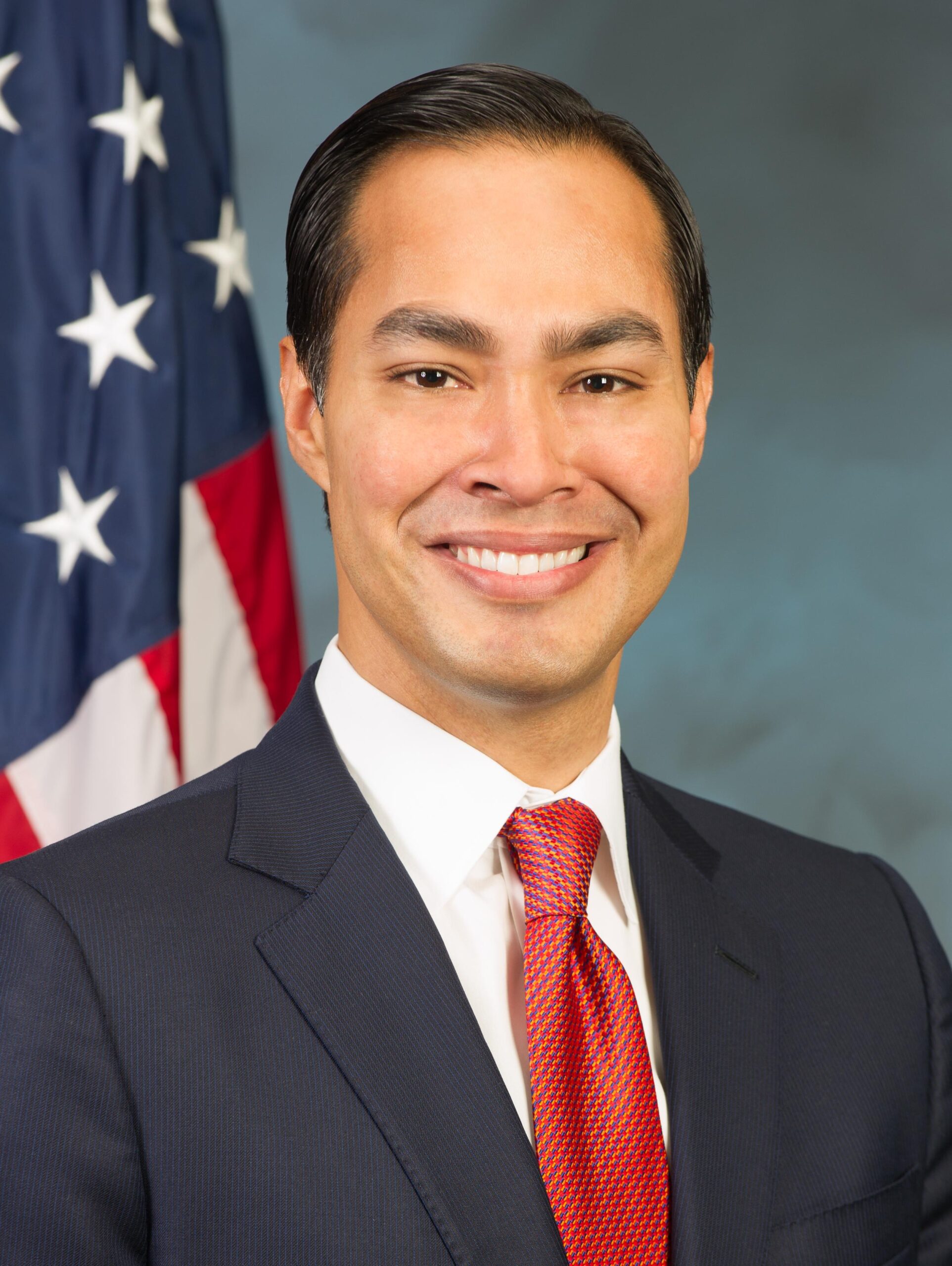
Reevaluating Julián Castro’s Mayoral Legacy in San Antonio: Progress and Pitfalls
Housing Strategies Under Julián Castro: Outcomes and Community Impact
Julián Castro’s period as San Antonio’s mayor was marked by efforts to confront the city’s escalating housing affordability crisis. His administration launched multiple programs aimed at expanding affordable housing and stimulating development in neglected neighborhoods. However, these initiatives frequently fell short of providing substantial benefits to the city’s most economically vulnerable populations. Critics contend that the policies disproportionately advantaged real estate developers, accelerating gentrification and displacing long-standing residents rather than protecting them.
Housing advocates have underscored several critical shortcomings:
- Underfunding of affordable housing: Investments in low-income housing lagged behind the city’s rapid population increase, limiting availability.
- Absence of rent stabilization: Without rent control, tenants faced steep rent hikes, increasing housing insecurity.
- Weak eviction safeguards: Protections for renters were minimal, especially in neighborhoods undergoing swift demographic shifts.
| Policy Focus | Intended Target | Actual Result |
|---|---|---|
| Affordable Housing Expansion | Boost housing units by 25% within five years | Achieved 12% increase, predominantly market-rate units |
| Tenant Protection Programs | Establish eviction prevention initiatives | Limited funding led to minimal reach |
| Zoning Policy Reforms | Promote mixed-income neighborhoods | Partial success; mixed-income areas remain scarce |
Economic Growth Efforts During Castro’s Administration: Achievements and Limitations
Castro’s administration pursued a series of ambitious economic development projects designed to stimulate job creation, enhance infrastructure, and rejuvenate urban spaces. Despite these goals, the tangible benefits often skewed toward private investors and developers, with limited positive impact on working-class residents. For instance, downtown revitalization attracted new enterprises but also contributed to the displacement of small businesses and long-term inhabitants, many of whom received inadequate support during transitions.
Key observations regarding economic initiatives include:
- Employment Growth: While job numbers increased, many positions were low-paying with few opportunities for advancement.
- Allocation of Public Funds: Significant resources were funneled into large-scale construction projects, often at the expense of affordable housing and community health programs.
- Support for Local Entrepreneurs: Assistance programs for small businesses were hampered by insufficient funding and administrative delays, reducing their effectiveness.
| Program | Investment (in millions) | Reported Results |
|---|---|---|
| Downtown Revitalization | $150 | Business growth with increased rental costs |
| Workforce Training | $35 | Low participation and certification rates |
| Small Business Grants | $20 | Delayed funding and mixed community feedback |
These figures suggest that while the vision for economic expansion was ambitious, the practical outcomes under Castro’s leadership often failed to equitably benefit all segments of San Antonio’s population.
Community Perspectives and Enduring Consequences of Castro’s Mayoral Policies
Residents across San Antonio have expressed diverse and nuanced opinions regarding Julián Castro’s time in office, reflecting a legacy that continues to influence the city’s social and economic landscape. Although his administration prioritized modernization and urban growth, many community members report that these efforts disproportionately affected low-income and immigrant neighborhoods, intensifying challenges such as gentrification and displacement. Working-class families often felt sidelined as downtown development took precedence over affordable housing and essential community services.
Common themes from recent community discussions include:
- Unequal Economic Opportunities: New business ventures did not translate into uniform job growth, leaving some neighborhoods economically marginalized.
- Barriers to Civic Participation: Efforts to engage voters were hindered by growing skepticism toward local government transparency and responsiveness.
- Persistent Infrastructure Challenges: Despite investments, aging public services continue to struggle with the demands of a rapidly evolving population.
Below is a summary of concerns voiced by different communities during recent public forums:
| Neighborhood | Primary Concern | Long-Term Effect |
|---|---|---|
| Westside | Shortage of affordable housing | Increased displacement of established residents |
| East San Antonio | Limited public transportation options | Reduced access to employment for low-income workers |
| Downtown Core | Rapid commercial expansion | Economic growth with uneven distribution of benefits |
Strategies to Bridge the Gap Between San Antonio’s Growth Ambitions and Reality
To close the divide between San Antonio’s lofty development goals and the lived experiences of its residents, a shift toward more transparent and participatory governance is essential. City leaders should prioritize inclusive community engagement platforms that empower residents from all neighborhoods to actively influence growth policies. This approach can restore public confidence and ensure that development projects genuinely reflect community priorities rather than political agendas.
Additionally, establishing a rigorous accountability system is vital, incorporating:
- Consistent public updates on progress toward key development benchmarks
- Independent financial and performance audits to monitor resource allocation and project effectiveness
- Defined deadlines coupled with enforceable penalties for unmet objectives
| Proposed Action | Anticipated Benefit | Priority |
|---|---|---|
| Community Engagement Forums | Enhanced public trust and project alignment | High |
| Regular Public Reporting | Greater transparency | Medium |
| Independent Audits | Improved fiscal oversight | High |
| Clear Timelines and Enforcement | Stronger accountability for project delivery | High |
Final Thoughts on Julián Castro’s Mayoral Legacy
Reviewing Julián Castro’s leadership in San Antonio reveals a tenure characterized by bold initiatives alongside significant controversies. While his supporters emphasize strides in urban development and educational improvements, detractors highlight persistent challenges related to housing affordability, policing, and governmental transparency. As Castro pursues higher political ambitions, a comprehensive evaluation of his mayoral record remains crucial for voters and decision-makers considering his potential for national leadership roles.