Urban Housing Shortages in the U.S.: Challenges, Causes, and Solutions
Critical Housing Deficits in Major U.S. Cities and Their Economic Consequences
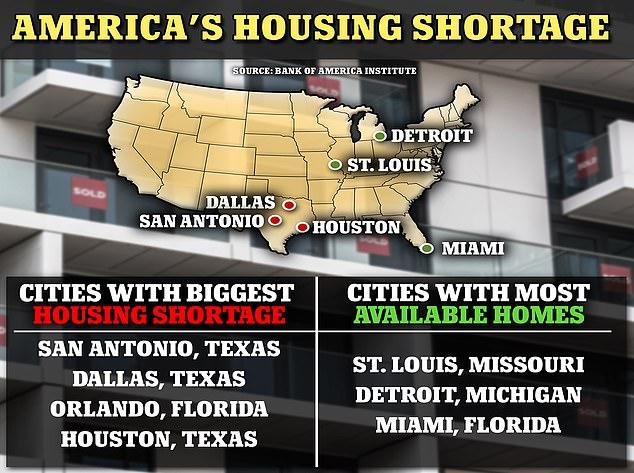
Several metropolitan areas across the United States are currently facing an acute housing shortage, which is significantly impacting local economies and residents’ living conditions. The demand for affordable housing far exceeds the available supply, leading to soaring rental and home prices. This imbalance is forcing many households into precarious living situations, including overcrowding and displacement. The strain on public infrastructure and social services is intensifying as more people struggle to secure stable housing. Economists caution that if these shortages are not addressed promptly, they could hinder economic growth and widen the gap in income inequality.
Common patterns emerging in these cities include:
- Households allocating over half their income to rent
- Construction bottlenecks caused by restrictive zoning and labor deficits
- Rising homelessness and eviction rates, overwhelming city resources
- Businesses facing difficulties in hiring due to unaffordable local housing
| City | Estimated Housing Deficit | Year-over-Year Rent Growth | Economic Repercussions |
|---|---|---|---|
| San Francisco | 45,000 units | 12% | Loss of skilled workers, business shutdowns |
| Austin | 32,000 units | 15% | Increased commuting times, higher operational costs |
| New York City | 60,000 units | 8% | Overburdened homeless services |
| Denver | 25,000 units | 10% | Slower pace of new business formation |
Underlying Causes of Housing Supply and Demand Disparities in Urban Centers
Urban population growth has consistently outstripped the pace of new housing development, creating a persistent shortage. This issue is compounded by restrictive zoning laws and protracted approval processes that limit the construction of affordable housing. Thriving job markets in these cities attract more residents, intensifying competition for limited housing stock. Consequently, many families are pushed to suburban fringes or forced into overcrowded living arrangements, further exacerbating social challenges.
Primary factors contributing to the housing gap include:
- Regulatory hurdles impeding new developments
- High influx of migrants seeking employment in metropolitan hubs
- Scarcity of developable land within city boundaries
- Escalating construction expenses driven by labor and material shortages
| City | Population Growth Rate (%) | Average Housing Permit Delay (months) | Average Rent Increase (%) |
|---|---|---|---|
| New York | 3.1 | 8 | 12.5 |
| Los Angeles | 2.7 | 10 | 14.3 |
| San Francisco | 2.0 | 12 | 15.6 |
| Seattle | 3.5 | 6 | 11.2 |
Innovative Policy Measures and Private Sector Efforts to Boost Housing Supply
In response to the pressing housing shortages, municipal governments in the hardest-hit cities have introduced progressive policies designed to accelerate housing development and reduce bureaucratic obstacles. These include revising zoning codes to allow for taller buildings and denser neighborhoods, as well as offering financial incentives for affordable housing projects. By simplifying permitting and encouraging higher-density construction, cities aim to attract developers and increase housing availability.
Meanwhile, private enterprises are adopting novel strategies to complement public efforts. Prefabricated and modular housing companies are expanding rapidly, providing quicker and more cost-efficient building options. Additionally, real estate developers are partnering with local authorities to convert underused commercial properties into residential units, helping to maximize existing urban space.
| City | Major Policy Initiative | Private Sector Innovation |
|---|---|---|
| San Francisco | Upzoning for buildings over 10 stories | Collaborations on modular housing projects |
| New York | Tax incentives for affordable housing | Adaptive reuse of industrial spaces |
| Los Angeles | Streamlined building permits | Scaling prefab housing production |
| Seattle | Incentives for mixed-income developments | Partnerships with tech firms on smart housing solutions |
Comprehensive Approaches to Enhance Affordability and Prevent Resident Displacement
Effectively tackling housing affordability requires a combination of supply expansion and protective measures for tenants. Increasing investments in affordable housing projects through public-private partnerships is essential for sustainable progress. Reforming zoning laws to encourage mixed-use and higher-density developments can unlock new housing opportunities without displacing existing communities.
Equally important are tenant protections that shield vulnerable populations from sudden rent hikes and evictions. Key strategies include:
- Rent stabilization policies that limit annual rent increases
- Temporary eviction bans during economic hardships
- Community land trusts that maintain long-term housing affordability
The table below summarizes some of the most effective tactics currently in use:
| Approach | Main Advantage | Example Location |
|---|---|---|
| Zoning Reform | Boosts housing availability | Seattle |
| Rent Stabilization | Protects tenants from steep rent hikes | New York City |
| Community Land Trusts | Ensures permanent affordability | Boston |
Conclusion: Navigating the Path Forward for Sustainable Urban Housing
The escalating housing shortages in key U.S. cities present multifaceted challenges that extend beyond real estate, influencing economic vitality, workforce retention, and social equity. Addressing these issues demands coordinated action among policymakers, developers, and community stakeholders to expand affordable housing stock and implement tenant protections. Without decisive measures, these urban centers risk deepening inequality and limiting opportunities for residents. The coming decade will be pivotal in shaping inclusive, resilient, and livable cities for all inhabitants.