
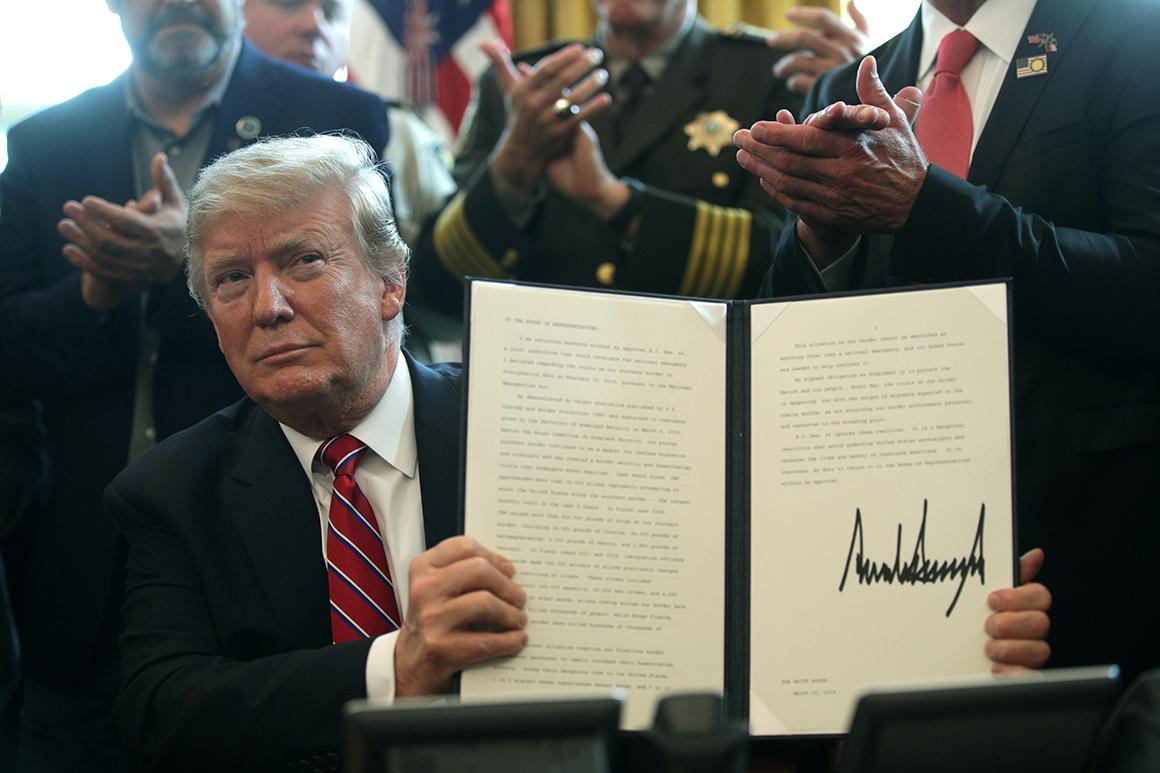
Trump Declines Israeli Assassination Plan Targeting Iran’s Supreme Leader
According to a high-ranking U.S. source who spoke with the Associated Press, former President Donald Trump turned down a covert Israeli proposal aimed at assassinating Iran’s Supreme Leader. This disclosure offers a rare glimpse into the delicate and often secretive coordination between the Trump administration and its Middle Eastern allies, revealing the intricate challenges faced in formulating U.S. policy toward Iran amid escalating regional tensions.
Several critical reasons influenced Trump’s decision to reject the plan:
- Potential for widespread conflict: The risk of igniting a broader war in an already unstable region was deemed too great.
- Diplomatic repercussions: The move could have jeopardized ongoing nuclear talks and strained international partnerships.
- Strategic preference: Emphasis was placed on leveraging economic sanctions and clandestine operations over overt military strikes.
| Dimension | Trump Administration Approach | Israeli Proposal |
|---|---|---|
| Goal | Contain Iran’s influence, avoid escalation | Eliminate Iran’s supreme leader |
| Tactics | Sanctions and covert intelligence operations | Direct military strike |
| Risk Evaluation | High risk of regional war | Aggressive but calculated |
Strategic Rationale Behind U.S. Rejection of Israeli Plan
U.S. officials have disclosed that the decision to veto Israel’s assassination proposal was driven by a multifaceted strategic assessment. The foremost concern was the possibility of triggering a large-scale conflict that could engulf the Middle East, destabilizing an already fragile geopolitical environment. The administration carefully balanced the potential benefits of such an operation against the unpredictable fallout, ultimately concluding that the risks outweighed the prospective gains.
Additional considerations included:
- Maintaining regional equilibrium: Avoiding a domino effect of military confrontations among neighboring states.
- Preserving international alliances: Preventing alienation of global partners invested in diplomatic resolutions.
- Ensuring military preparedness: Keeping U.S. forces ready for diverse contingencies beyond Iran.
- Intelligence reliability: Addressing gaps in actionable intelligence that could jeopardize mission success.
| Strategic Concern | Potential Consequence |
|---|---|
| Escalation Risk | Widespread conflict across the Middle East |
| Diplomatic Fallout | Strained relations with key allies |
| Retaliation Threat | Counterattacks on U.S. personnel and interests |
| Mission Uncertainty | Incomplete or failed objectives |
Impact on U.S.-Israel Relations and Middle East Stability
The disclosure that Trump vetoed Israel’s high-risk plan to assassinate Iran’s supreme leader highlights the nuanced and sometimes divergent interests within the U.S.-Israel alliance. While the United States remains Israel’s staunchest supporter, this episode reveals moments where American caution tempers Israeli assertiveness to prevent broader regional upheaval. It underscores the delicate balancing act Washington performs—supporting its ally while mitigating the risk of igniting a larger conflict.
This decision also has significant ramifications for the region’s fragile equilibrium. By declining to authorize the operation, the administration arguably preserved a tenuous peace, though underlying tensions persist. Regional powers continue to monitor such developments closely, understanding that shifts in strategic calculations can rapidly alter the security landscape.
| Entity | Short-Term Stability | Long-Term Challenges |
|---|---|---|
| Israel | Moderate risk of conflict | Persistent security concerns |
| United States | Status quo maintained | Ongoing geopolitical tension |
| Iran | Defensive stance | Potential for retaliatory actions |
| Neighboring States | Increased vigilance | Prolonged instability risks |
- U.S. diplomatic stance: measured restraint to balance alliance support with conflict prevention.
- Israeli strategic goals: tempered by allied caution and risk assessments.
- Regional message: deterrence remains fragile amid evolving power dynamics.
Recommendations for Strengthening Diplomatic Efforts to Reduce Tensions
In light of the disclosed veto, international experts emphasize the urgent need to bolster diplomatic engagement as the preferred path to de-escalate tensions in the Middle East. The intricate geopolitical environment calls for a sophisticated strategy that prioritizes dialogue and cooperation over military confrontation, aiming to prevent further destabilization.
Key strategies proposed by analysts include:
- Revitalizing multilateral diplomacy: Involving regional powers and global stakeholders to forge consensus on security and stability.
- Expanding intelligence cooperation: Enhancing information sharing to reduce miscalculations and preempt crises.
- Promoting confidence-building initiatives: Supporting humanitarian aid and economic partnerships to foster trust among adversaries.
| Diplomatic Approach | Anticipated Benefit |
|---|---|
| Multilateral negotiations | Reduced regional hostility |
| Intelligence sharing | Enhanced crisis management |
| Humanitarian and economic projects | Strengthened mutual trust |
Final Thoughts on U.S.-Iran-Israel Dynamics
The disclosure that former President Trump vetoed an Israeli plan to assassinate Iran’s supreme leader highlights the intricate and high-stakes nature of U.S.-Israel relations and Middle East security policy. As further details come to light, analysts will continue to evaluate the broader consequences for regional stability and the trajectory of American foreign policy. This episode underscores the ongoing challenge Washington faces in balancing unwavering support for its allies with the imperative to manage complex geopolitical risks in a volatile region.